HAQAST Utah
The Health and Air Quality Applied Sciences Team (HAQAST) works to connect NASA satellite data and products with public health experts and air quality managers. Our team of 14 PIs and 70+ total collaborating investigators has grown to support and serve hundreds of organizations across the U.S. and around the world. Our public meetings are opportunities to grow these two-way dialogues in which stakeholders share their research needs and priorities, and scientists share their resources, insights, and new discoveries.
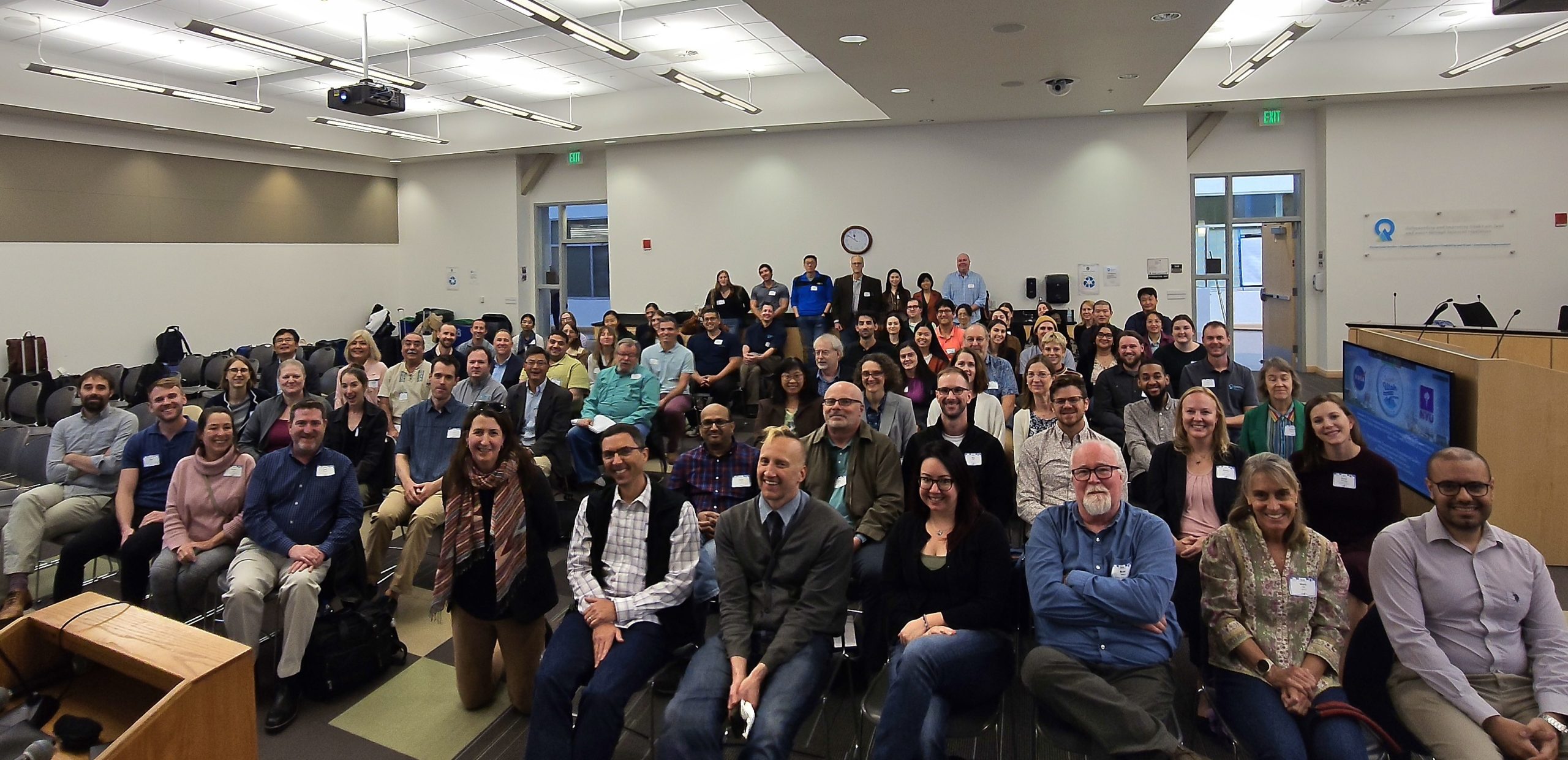
HAQAST Utah was held in Salt Lake City, Utah, October 19-20, 2023 at the Utah Department of Environmental Quality. In this public meeting we discussed environmental justice, TEMPO, satellite-derived PM2.5, ground-level ozone, fires, dust, and heat, health impacts of air pollution, and more!
This meeting was an opportunity for sharing updates and new results, networking, and discussion.
October 19th
- Session 1A: Overview of NASA
HAQAST - Session 2A – Focus on the West: Drying Lakes, Dust Storms and Health
- Session 2B – Multiple Pollutant Sources and Other Environmental Exposures
- Session 3A – Focus on the West: Exposures and Health Impacts from Wildland Fires
- Session 3B – Comparing Models and Observations: Strength and Limitations of Satellite Data
- Session 4A – Emissions from Mobile Sources, Commercial Transportation, and Inland Ports
- Session 4B – Examining Exposure and Health Inequalities: Defining Environmental Justice in the context of Outdoor Air Pollution
October 20th
- Session 5A – Complementing Low-Cost PM2.5 Monitoring – How can satellite data provide value to community organizations and cities?
- Session 5B – State Planning for Ozone -National Ambient Air Quality Standards (NAAQS) and Other Federal Rules
- Session 6 Flash Talks: Data Products and Tools
- Session 7 & Closing Remarks From Measurement to Action: Translating Data to Decision-Making
Session 1A
Overview of NASA HAQAST
Opening Remarks
Kevin Cromar (New York University)
HAQAST Updates — Fall 2023
Tracey Holloway (HAQAST Team Leader, University of Wisconsin–Madison)
Explore Earth–HAQAST Utah 2023
John Haynes (Program Manager for Health and Air Quality Applications)
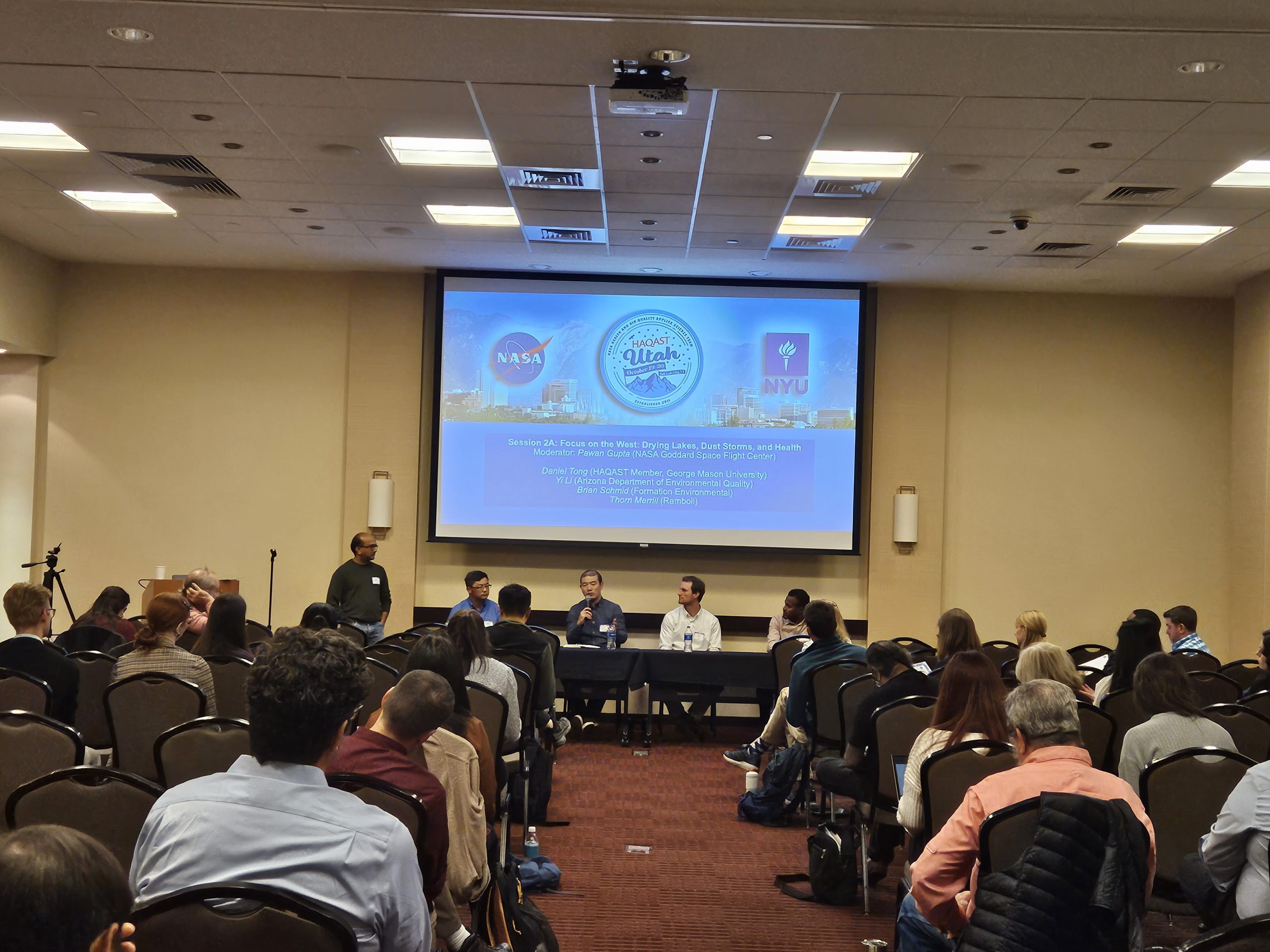
Session 2A
Focus on the West: Drying Lakes, Dust Storms and Health
Moderator: Pawan Gupta (NASA Goddard Space
Flight Center)
Dust Storms, Societal Impacts and Public Awareness
Daniel Tong (HAQAST Member, George Mason University)
Welcome to Air Quality Improvement Planning (AQIP) at Arizona Department of Environmental Quality
Yi Li (Arizona Department of Environmental Quality)
Characterization of Dust Emissions from Playa and Desert Surfaces in the Salton Sea Air Basin
Yohannes Yimam (Formation Environmental)
How Dry Must the Great Salt Lake Playa be to Emit Dust?
Thorn Merrill (Ramboll)
Session 2B
Multiple Pollutant Sources and Other Environmental Exposures
Moderator: Arlene Fiore (HAQAST Member,
Massachusetts Institute of Technology)
Urban Heat + Health Project
Chris Uejio (HAQAST Member, Florida State University)
American Cancer Society
Rand Sakka (American Cancer Society)
Enhanced global estimates of fine particulate matter concentrations combining deep learning with geophysical a priori information
Randall Martin (HAQAST Member, Washington
University in St. Louis)
The OpenAQ Platform
Christine Hagerbaumer (Open AQ)
Session 3A
Focus on the West: Exposures and Health Impacts from Wildland Fires
Moderator: Jeff Pierce (HAQAST member, Colorado State University)
The Exceptional Events Demo Tool
Mary Uhl (Western States Air Resources Council)
The Association of Acute Smoke Exposure with Elevated ED visits for Anxiety Disorders in the Western US
Yang Liu (HAQAST Member, Emory University)
Wildland Fire Commission Report: A brief overview and connections to wildland fire, health and exposure to our future
Amber Soja (HAQAST member, National Institute of Aerospace, NASA Langley Research Center)
Annual Health Impacts from Wildland Fire Air Pollution in the United States
Laura Gladson (New York University)
Session 3B
Comparing Models and Observations: Strength and Limitations of Satellite Data
Moderator: Jen Kaiser (Georgia Institute of Technology)
Satellite Technology for Health and Air Quality: Instrument Challenges and Opportunities
Betsy Farris (Ball Aerospace)
Comparing Models and Observations
Brad Pierce (HAQAST Tiger Team Lead, University of Wisconsin–Madison)
Modeling and observations for fire and smoke events in 2023: A brief introduction of new satellite data
Jun Wang (University of Iowa)
Quantifying Landfill Methane Emissions: Fusion strategy
Amirhosein Mousavi (Waste Management)
Strengths & Limitations of Satellite Data: TEMPO Perspective & Early Results
Aaron Naeger (NASA)
Session 4A
Emissions from Mobile Sources, Commercial Transportation, and Inland Ports
Moderator: Randall Martin (HAQAST Member,
Washington University in St. Louis)
Evaluating the trends and spatial patterns of NOx emissions in urban areas using TROPOMI
Dan Goldberg (George Washington University)
Airports, Seaports, and Warehouses: Blending CMAQ and TROPOMI
Jen Kaiser (Georgia Institute of Technology)
The Role from NASA-funded Research in the Rapid Electrification of Mobile Sources
Zac Adelman (Lake Michigan Air Directors Consortium)
Chattanooga-Hamilton County Air Pollution Control Bureau
Claudia Gillman-Acuña (Chattanooga Hamilton
County Air Pollution Control Bureau)
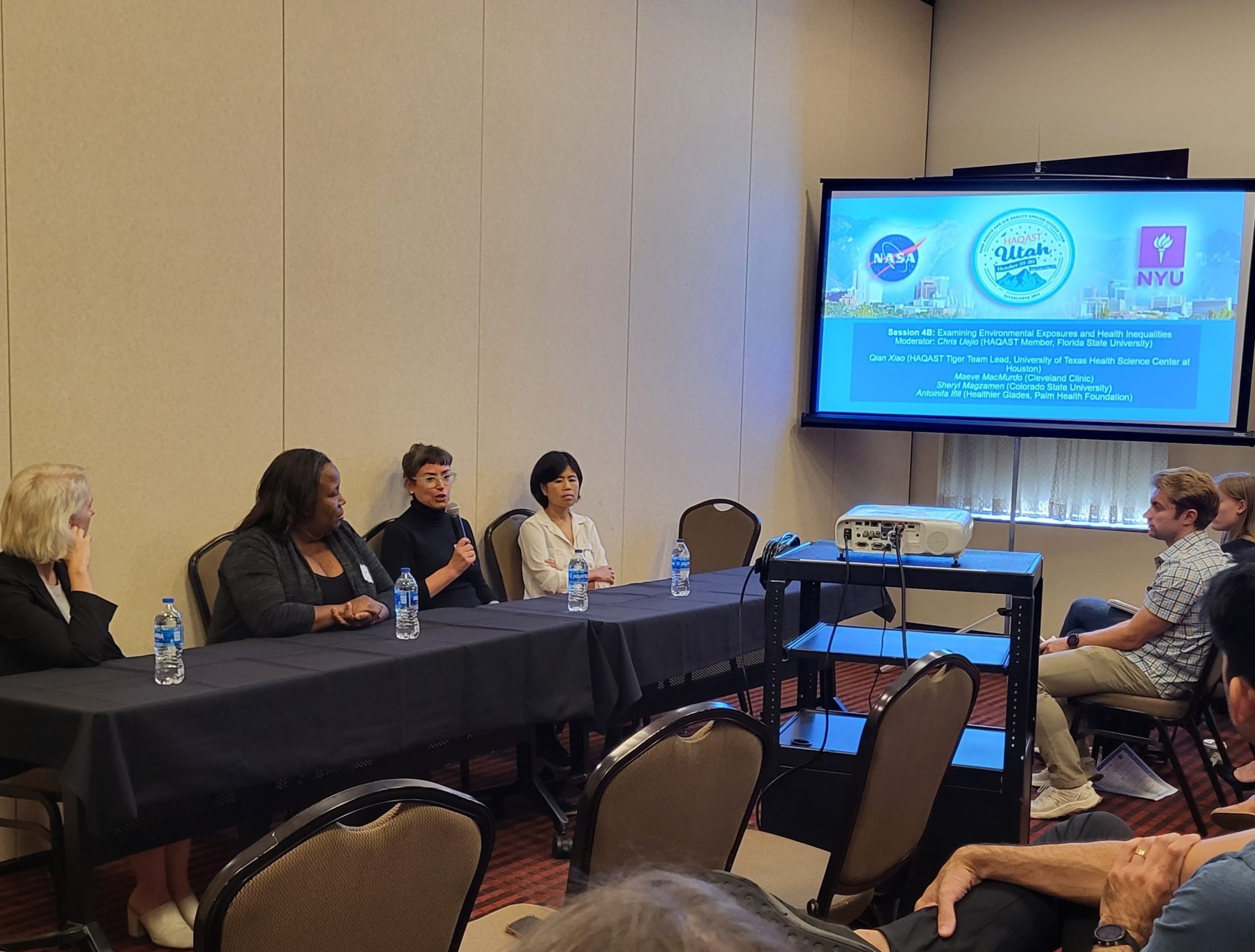
Session 4B
Examining Exposure and Health Inequalities: Defining Environmental Justice in the context of Outdoor Air Pollution
Moderator: Chris Uejio (HAQAST Member, Florida State University)
Satellite Data for Environmental Justice: The SD4EJ Tiger Team
Qian Xiao (HAQAST Tiger Team Lead, University of Texas Health Science Center at Houston)
Disparities in air pollution exposure: Moving beyond the stationary monitor
Maeve MacMurdo (Cleveland Clinic)
Patterns of agricultural smoke exposure by sociodemographic characteristics in the Everglades Agricultural Area
Sheryl Magzamen (Colorado State University)
Examining Environmental Exposures and Health Inequalities
Antoinita Ifill (Healthier Glades, Palm Health Foundation)
Session 5A
Complementing Low-Cost PM2.5 Monitoring – How can satellite data provide value to community organizations and cities?
Moderator: Yang Liu (HAQAST Member, Emory University)
Combining low-cost sensors and satellite data to quantify smoke exposure in rural regions
Jeff Pierce (HAQAST Member, Colorado State University)
Voice of children’s health
Sarah Kroening (Children’s Health Alliance of Wisconsin)
Reanalysis, Satellites, Machine Learning and New Opportunities
Pawan Gupta (HAQAST Member, NASA Goddard Space Flight Center)
Integrating NASA Resources into the Standard Operating Procedures of Low-Moderate Income Countries (LMIC)
Bryan Duncan (HAQAST Member, NASA)
Session 5B
State Planning for Ozone – National Ambient Air Quality Standards (NAAQS) and Other Federal
Rules
Moderator: Daniel Tong (HAQAST Member, George Mason University)
Implementation Plans for Ozone: National Ambient Air Quality Standards
Michael Geigert (Connecticut Department of Energy and Environment)
Synthesis of Satellite and Surface Measurements, Model Results and FRAPPE studies to Assess the Impacts of Oil and Gas Emissions Reductions on Maximum Ozone in the Denver Metro and Northern Front Range Region In Colorado
Patrick Reddy (Independent Scientist / Retired, Colorado Department of Public Health and Environment)
Linking NO2, HCHO, and surface zone: Insights from analysis and modeling of LISTOS data (June-August)
Arlene Fiore (HAQAST Member and Tiger Team Lead, Massachusetts Institute of Technology)
Broadening Access to Satellite Data
Tracey Holloway (HAQAST Team Lead, University of Wisconsin—Madison)
Session 6
Flash Talks: Data Products and Tools
Moderator: Bryan Duncan (HAQAST Member, NASA)
Integrated Air Quality Information Platform
Thomas Huang (Jet Propulsion Laboratory, California Institute of Technology)
ASDC Tools and Services
Sarah Hafer-Martin (NASA ASDC)
Synergistic Tempo Air Quality Science
Laura Judd (NASA Langley)
Data Introspection
Doug Boyer (Texas Commission on Environmental Quality)
The Tropospheric ozone trends from Tropospheric Ozone and Earth System Sounding (TROPESS) Project: An update on data products, data availability and science results
Greg Osterman (Jet Propulsion Laboratory, California Institute of Technology)
Session 7
Closing Remarks From Measurement to Action: Translating Data to Decision-Making
Moderator: Tracey Holloway (HAQAST Team Lead, University of Wisconsin—Madison)
Bryce Bird (Utah Department of Environmental
Quality)
Can Satellite Data Drive Public Policy for Fine Particulate Pollution?
Michael Cheeseman (NOAA)
Scientific Research and Public Decision-making
Kevin Cromar (New York University)
Satellite Data Uncover Nationwide Air Pollution Impacts from Warehousing
Gaige Kerr (George Washington University)
Virtual Flash Talks
Elizabeth Joyner (NASA ESDS)
AQ Data Pathfinder for Your HAQAST Applications
Nathan Jester (Atmospheric Science Data Center)
ASDC’s Suborbital Order Tool
Kristen Okorn (NASA Ames Research Center)
Co-Location with Ground-Based Remote Sensing
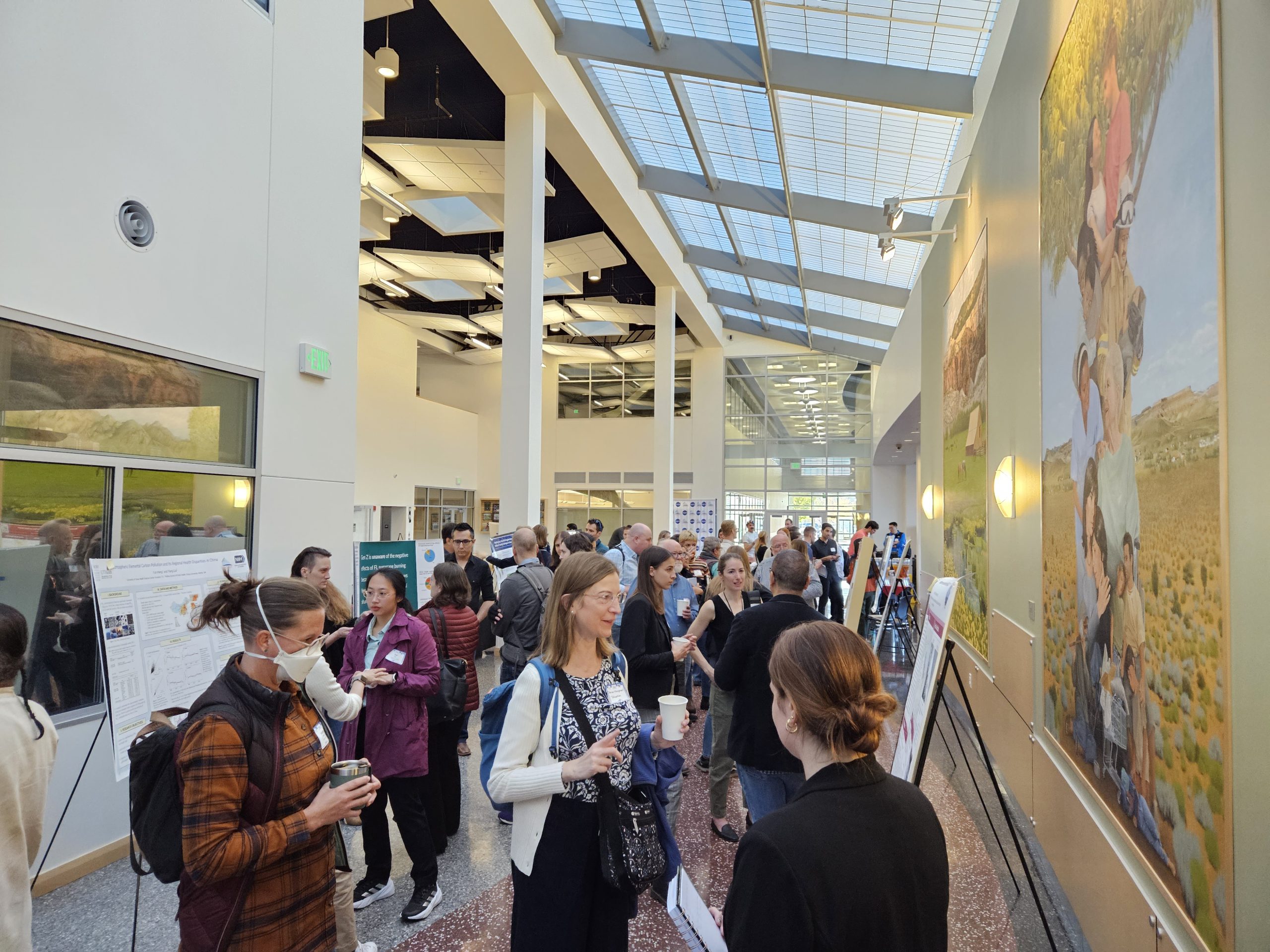
Posters
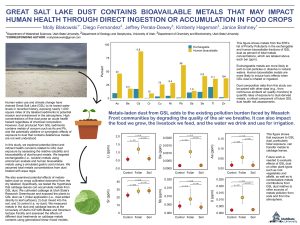
Molly Blakowski (Utah State University)
Great Salt Lake dust contains bioavailable metals that may affect human health through direct ingestion or accumulation in food crops
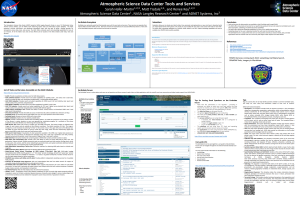
Sarah Hafer-Martin (NASA, ASDC)
ASDC Tools and Services
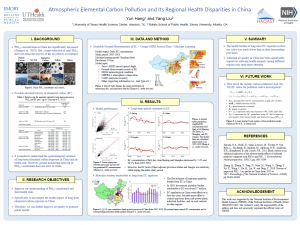
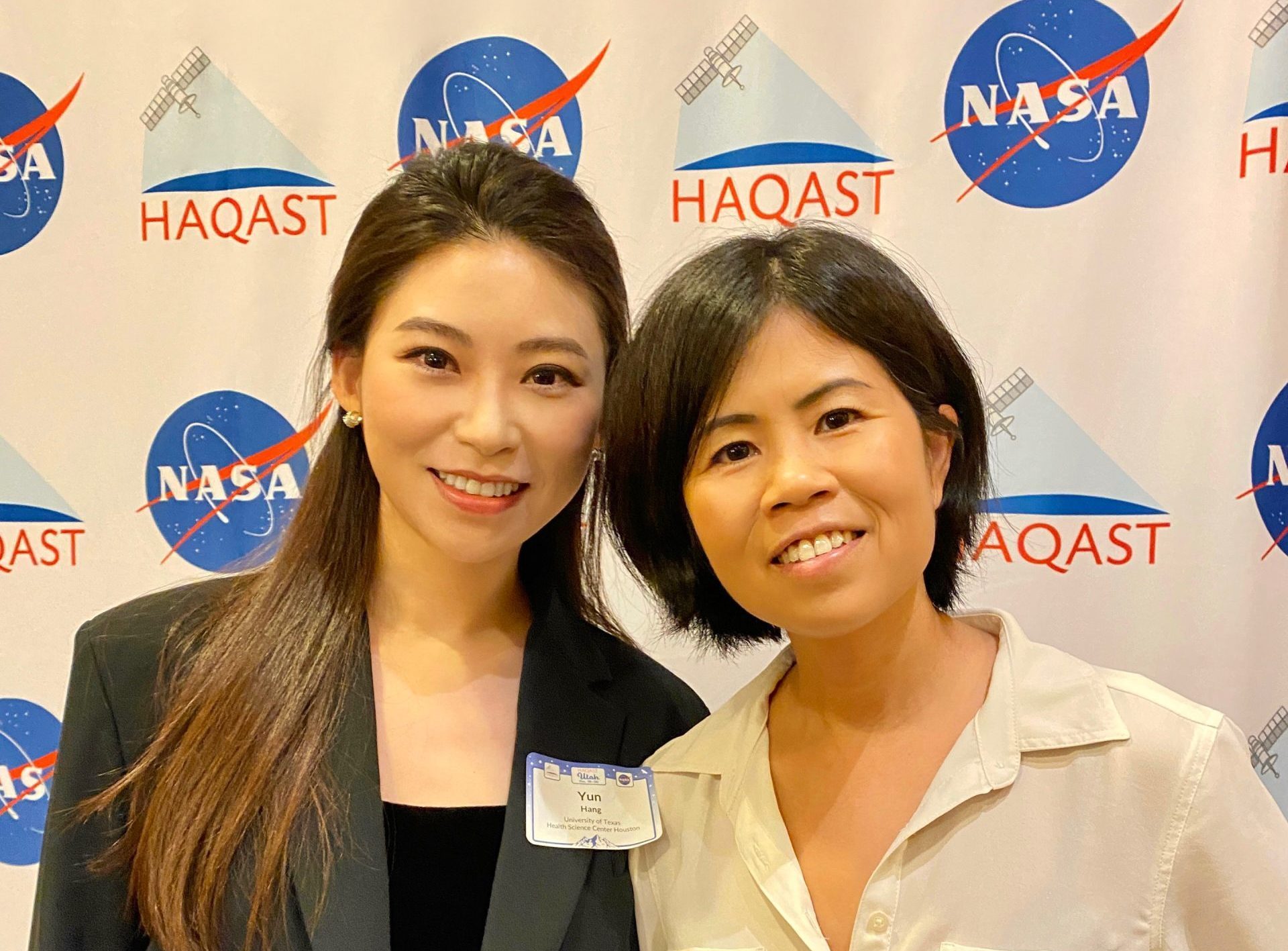
Yun Hang (The University of Texas Health Center at Houston)
Atmospheric Elemental Carbon Pollution and Its Regional Health Disparities in China
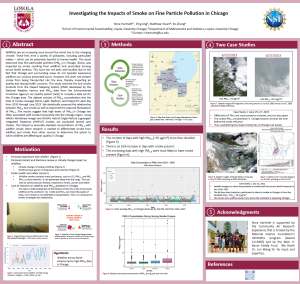
Nora Hartnett (Loyola University Chicago)
Investigating the Impacts of Smoke on Fine Particle Pollution in Chicago
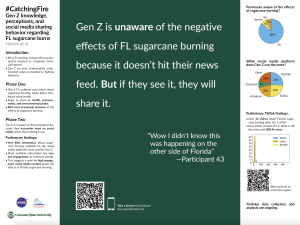
Giovanna Henery and Dustin Tucker (Colorado State University)
#CatchingFire: Gen Z knowledge, perceptions, and social media sharing behavior about FL sugarcane
burning
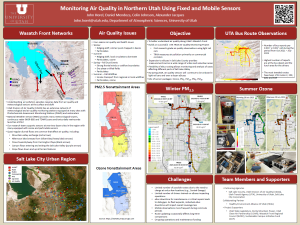
John Horel (University of Utah)
Monitoring Air Quality in Northern Utah Using Fixed and Mobile Sensors
Thomas Huang (Jet Propulsion Laboratory, California Institute of Technology)
Integrated Air Quality Information Platform
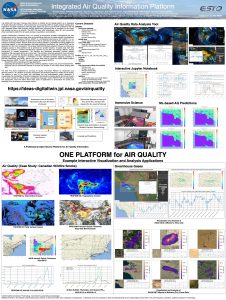
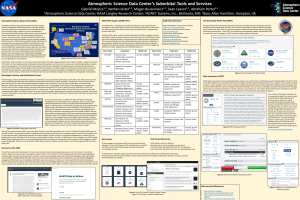
Nathan Jester (NASA ASDC)
Atmospheric Science Data Center’s Suborbital Tools and Services
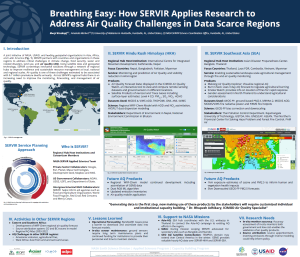
Meryl Kruskopf (University of Alabama, Huntsville/ NASA SERVIR)
Breathing Easy: How SERVIR Applies Research to Address Air Quality Challenges in Data Scarce Regions
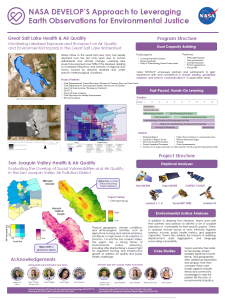
Julianne Liu (NASA DEVELOP)
NASA DEVELOP’s Approach to Leveraging Earth Observations for Environmental Justice at the Great Salt Lake and in the San Joaquin Valley.
Hazem Mahmoud (NASA ASDC)
Evaluating Diurnal Ozone Emissions: A Comparative Analysis of DSCOVR EPIC, PANDORA, and TOLNet Data for Space-Based Monitoring Assessment: A Case Study by ASDC
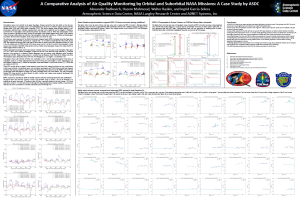
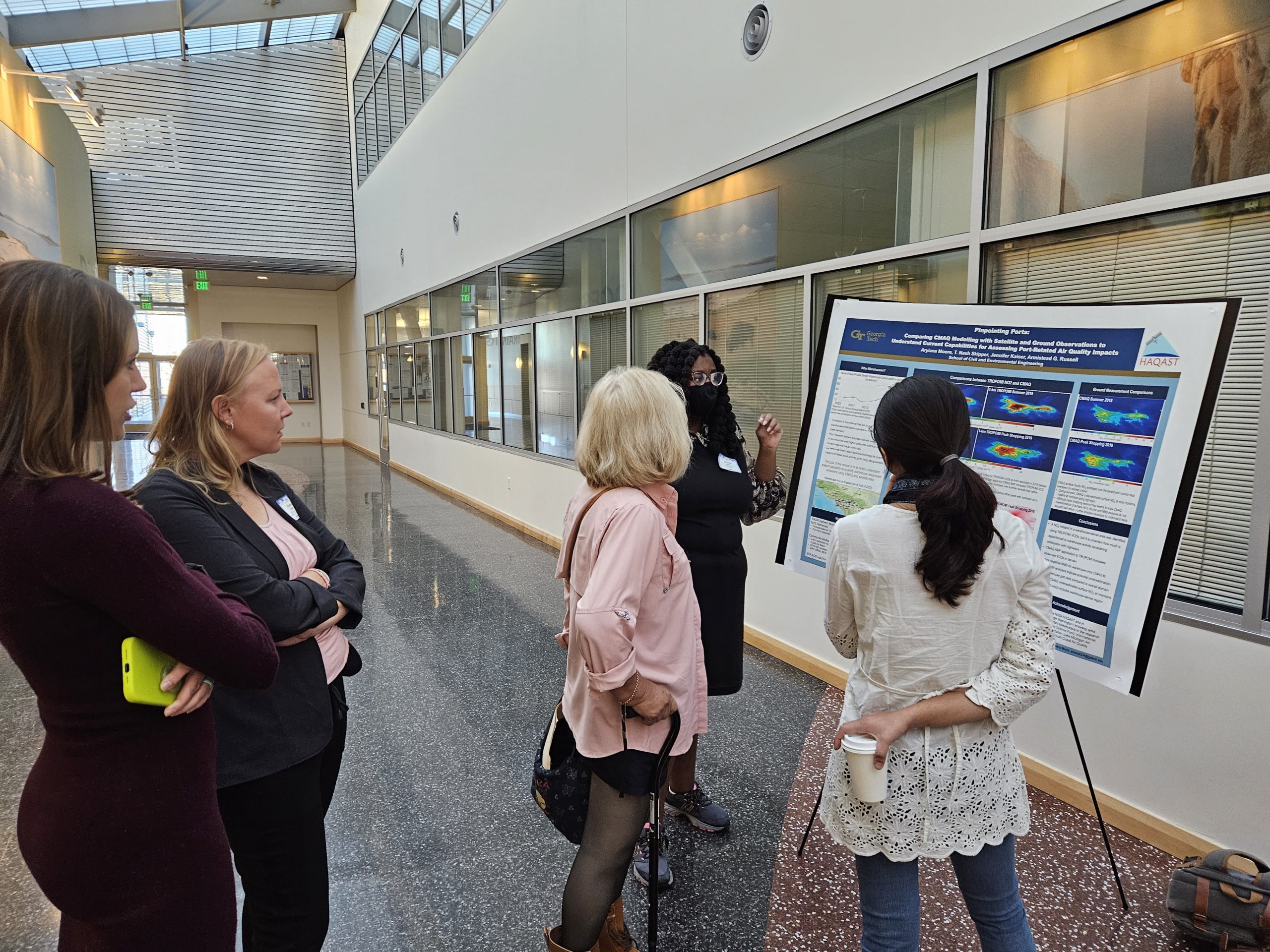
Aryiana Moore (Georgia Institute of Technology)
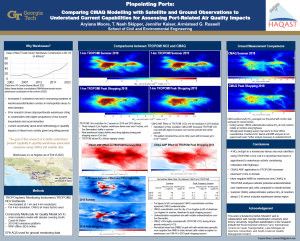
Pinpointing Ports: Comparing CMAQ Modelling with Satellite and Ground Observations to Understand Current Capabilities for Assessing Port-Related Air Quality Impact
Greg Osterman (Jet Propulsion Laboratory, California Institute of Technology)
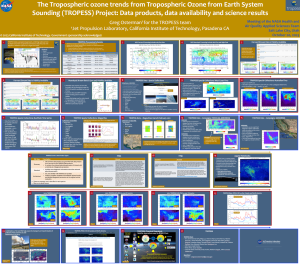
The Tropospheric Ozone and its Precursors from Earth System Sounding (TROPESS) project: An update on data products, data availability and science results.
Suhung Shen (George Mason University and NASA GES DISC)
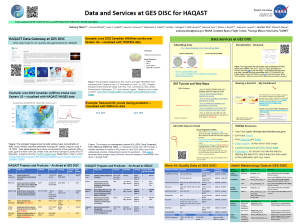
Data and Services at GES DISC for HAQAST
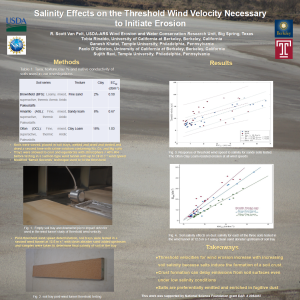
R. Scott Van Pelt (USDA)
Salinity Effects on the Threshold Wind Velocity Necessary to Initiate Erosion
Photos

To view the complete collection of photos, click on the button below: