HAQAST Showcase 2025
The HAQAST 2025 Showcase was held on Tuesday, January 28th, 2025 in Washington, D.C. at NASA Headquarters in the James Webb Auditorium, with a TEMPO Information and Training Session held on Monday, January 27th at George Washington University.
At the Health and Air Quality Applied Sciences Team, our 14 PIs and 70+ total collaborating investigators have grown to support and serve hundreds of organizations across the U.S. and around the world. In our 2025 HAQAST showcase, we highlight the societal contributions of our team effort—successes that would not have been possible without the collaborative structure of this unique, applied research effort.
Over the course of the past four years, the Health and Air Quality Applied Sciences Team (HAQAST) has worked to connect NASA satellite data and products with public health experts and air quality managers. Our public meetings are opportunities to grow these two-way dialogues in which stakeholders share their research needs and priorities, and scientists share their resources, insights, and new discoveries. This meeting highlighted success over the last four years, including increasing public engagement with NASA data, measuring health risks in unmonitored regions, and improving regulatory decision-making tools.
January 27th
- TEMPO Information and Training Session. Find slides and training materials here!
January 28th
Session 1
Overview of NASA HAQAST
Opening Remarks
Tom Wagner (NASA Headquarters)
John Haynes (NASA Headquarters)
Connecting NASA Data to User Needs
Tracey Holloway (HAQAST Team Lead, University of Wisconsin–Madison)
Session 2
HAQAST Scoping Talks
Satellite Data for Community Health
Susan Anenberg (George Washington University)
Satellite Data for Fire and Smoke
Jeff Pierce (Colorado State University)
Stakeholder Perspective on NASA Data
Barron Henderson (U.S. EPA)
Flash Talks
HAQAST Successes
Doug Boyer (Texas Commission on Environmental Quality)
The Many Successes of Satellite NO2
Dan Goldberg (George Washington University)
Wildfire Smoke PM2.5 and Health Outcomes: 2022 Calf’s Canyon/Hermit’s Peak Fire, New Mexico
Sheryl Magzamen (Colorado State University)
Session 3
Increasing Public Engagement with NASA Data
Investigating Spatiotemporal Patterns at the Nexus of Air Pollution and Public Health over the Northeast USA
Arlene Fiore (Massachusetts Institute of Technology) and Temilayo Adeyeye (New York State Department of Health)
Integrating NASA Resources into the Standard Operating Procedures of Stakeholders
Bryan Duncan (NASA Goddard Space Flight Center) and Kellen Namusisi (African Centre for Clean Air)
Improving Early Warning and Public Awareness of Wildfires and Dust Storms with NASA Data
Daniel Tong (George Mason University)
Increasing Public Engagement with NASA Data
Michael Geigert (Connecticut Department of Energy and Environmental Protection)
Using Satellite Data to Study Artificial Light at Night (ALAN) as an Emerging Environmental Hazard
Qian Xiao (University of Texas Health Science Center at Houston)
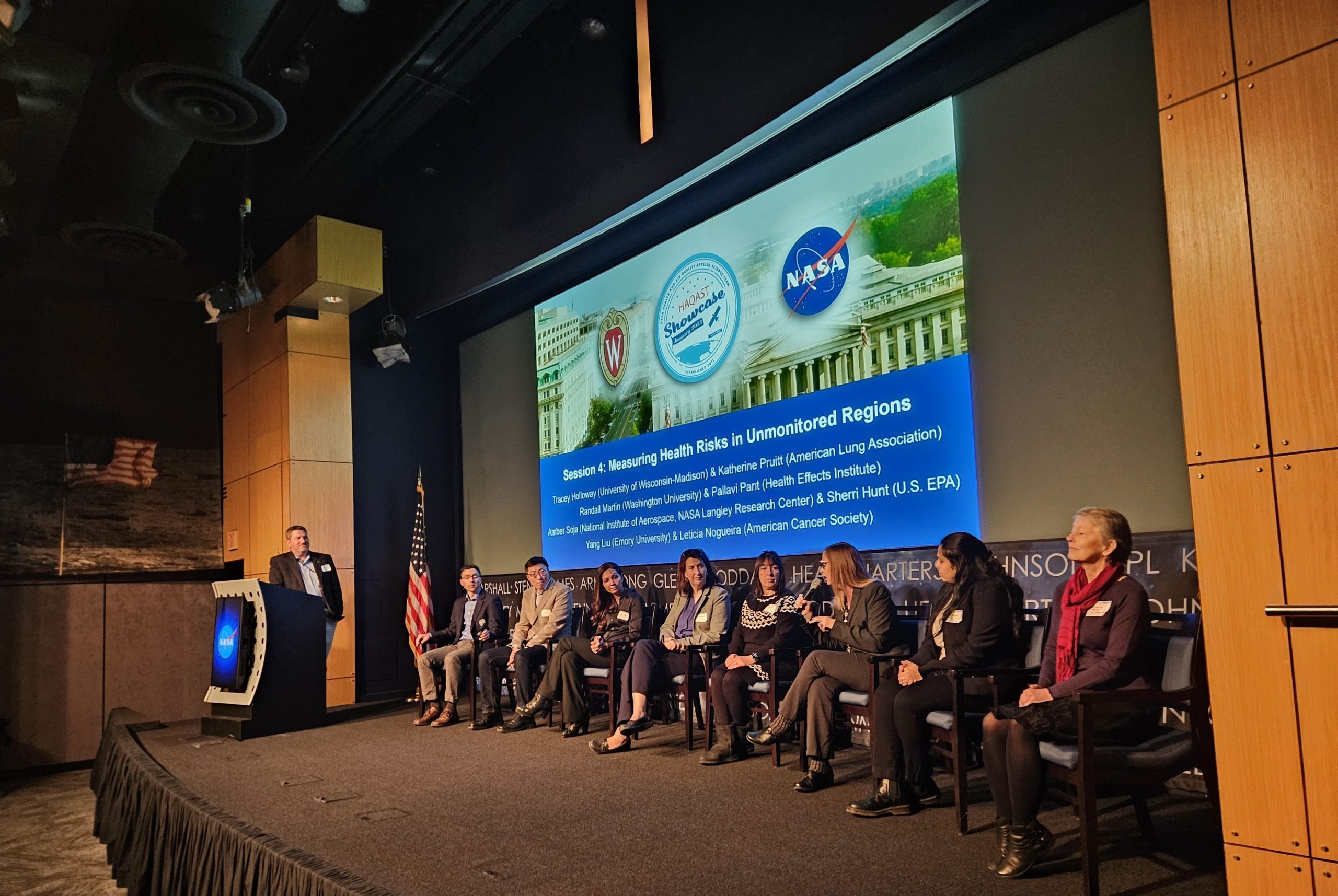
Session 4
Measuring Health Risks in Unmonitored Regions
Filling Gaps in Unmonitored Regions: HAQAST Work from University of Wisconsin–Madison
Tracey Holloway (HAQAST Team Lead, University of Wisconsin–Madison)
Bridging the Air Quality Information Gap
Katherine Pruitt (American Lung Association)
Satellite-Derived Fine Particulate Matter (PM2.5)
Randall Martin (Washington University)
Quantifying Health Impacts of Air Pollution in Low- and Middle-Income Countries
Pallavi Pant (Health Effects Institute)
Quantifying Pollution from Prescribed and Smaller Fires: The Conundrum in our National Emissions Inventory
Amber Soja (National Institute of Aerospace, NASA Langley Research Center) and Sherri Hunt (U.S. EPA)
Environmental Hazards and Cancer
Yang Liu (Emory University) and Leticia Nogueira (American Cancer Society)
Session 5
Improving Decision-Making Tools
Planning for Extreme Heat
Chris Uejio (Florida State University) and Jane Gilbert (Miami-Dade County)
Air Quality Forecasting at U.S. Diplomatic Posts Abroad
Pawan Gupta (NASA Goddard Space Flight Center) and Stephanie Christel (U.S. Department of State)
Improving Decision-Making Tools in the West
Jingqiu Mao (University of Alaska Fairbanks)
Improving Decision-Making Tools in the West
Mary Uhl (Western States Air Resources Council)
Advances in Supporting Air Quality Management Needs
Jen Kaiser (Georgia Institute of Technology)
Satellite Data at Georgia EPD as a Decision-Making Tool
Byeong-Uk Kim (Georgia Department of Natural Resources)
Virtual Flash Talks
Colleen Rosales (OpenAQ)
OpenAQ: Providing Universal Access to Air Quality Data
Tsz Kin Siu (Dalhousie University)
Comparison of the first-year TEMPO Tropospheric NO2 with TROPOMI and AirNow Data in Eastern Canada
Scott Van Pelt (USDA-Agricultural Research Service) & Daniel Tong (George Mason University)
Dust Alliance for North America
Patrick Reddy (The Holloway Group, UW–Madison)
New Toolbox to Support US States in Exceptional Event Screening for Wildland and Prescribed Fires
Olivia Goins (University of Wisconsin–Madison)
Flowchart of Resources and Data Products for Health and Air Quality Applications with an Emphasis on Satellite Data
Amirhosein Mousavi (Google / University of Southern California)
NASA Science Explorer
HAQAST Meetings Over the Years


Photos
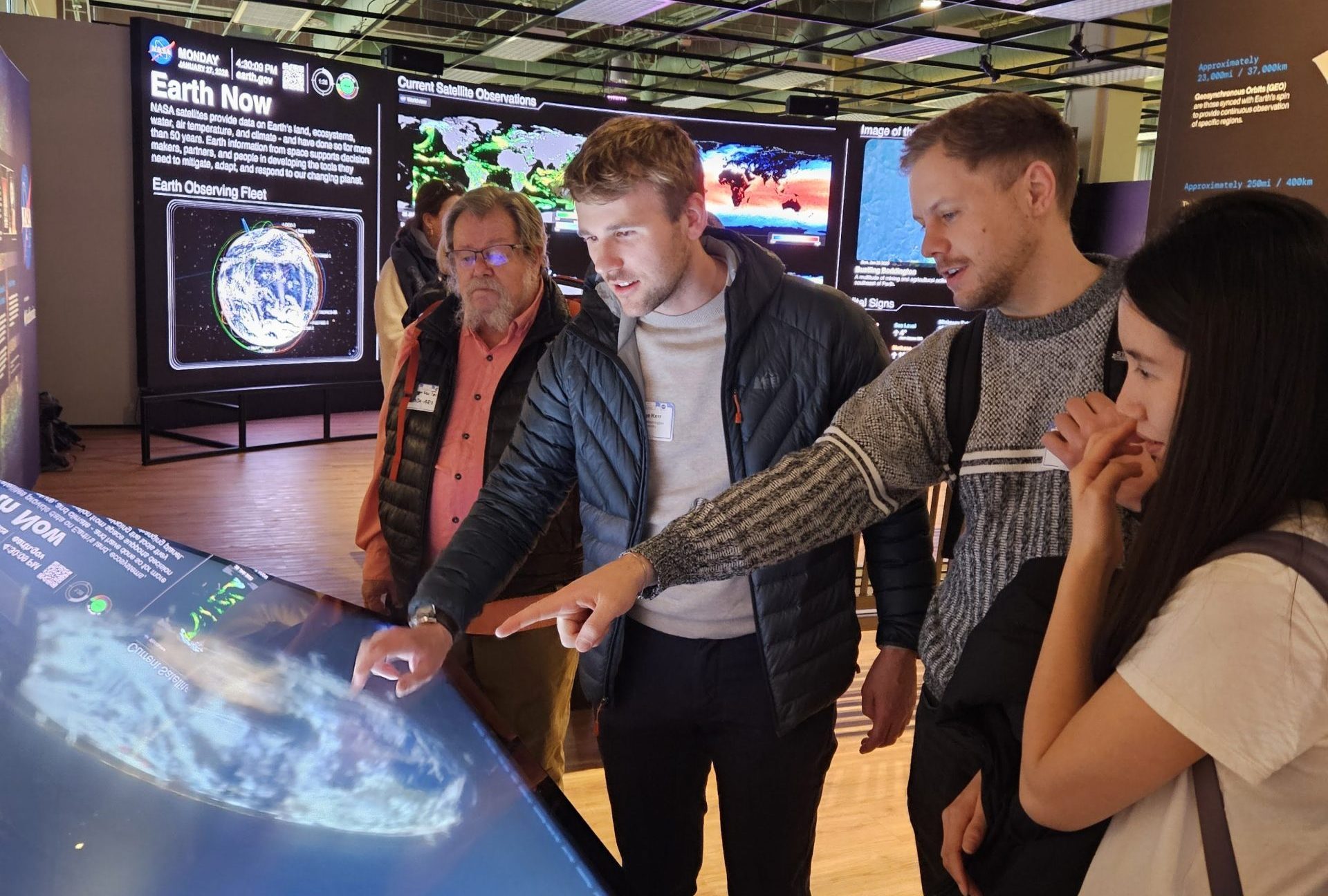
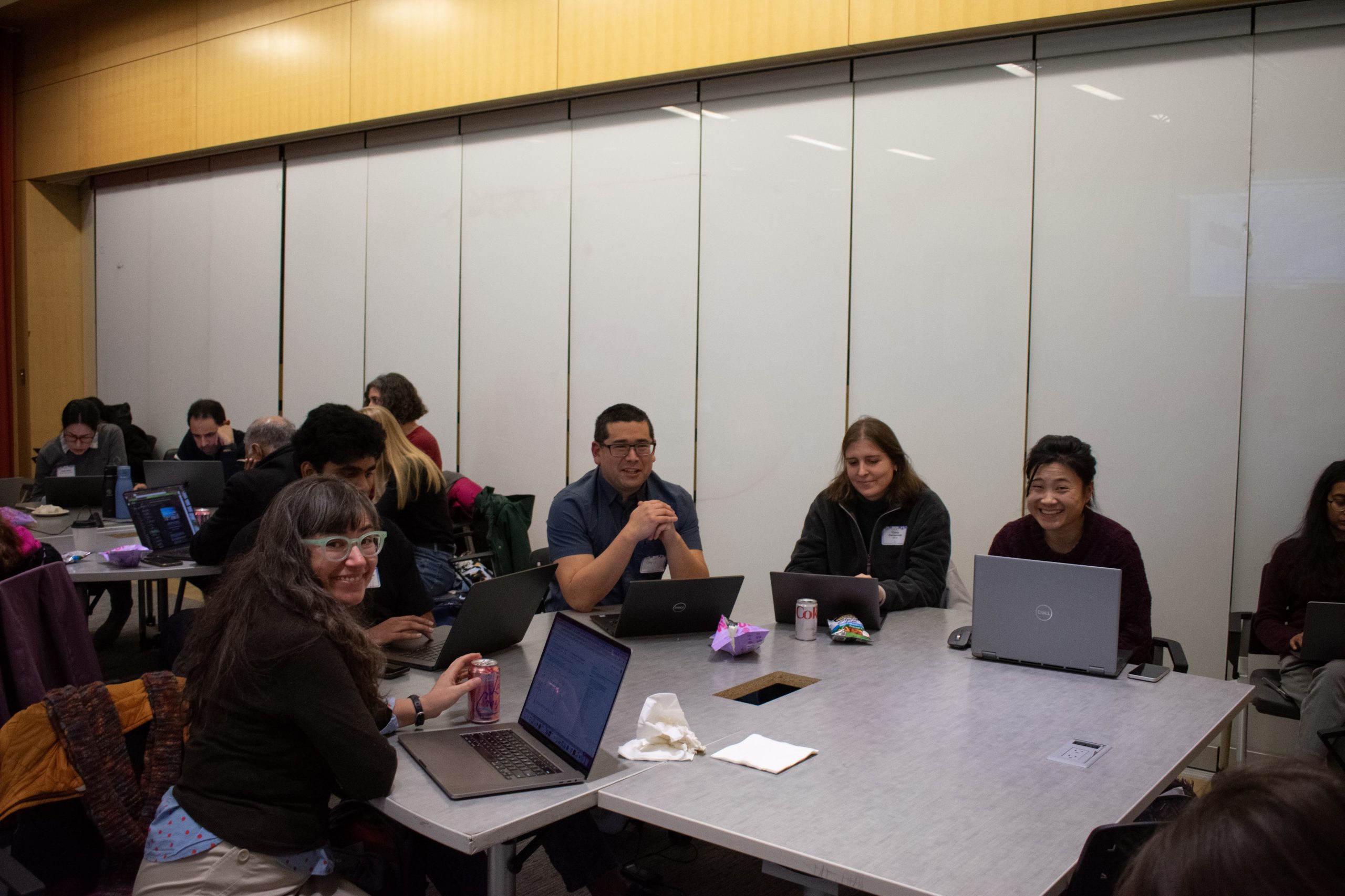
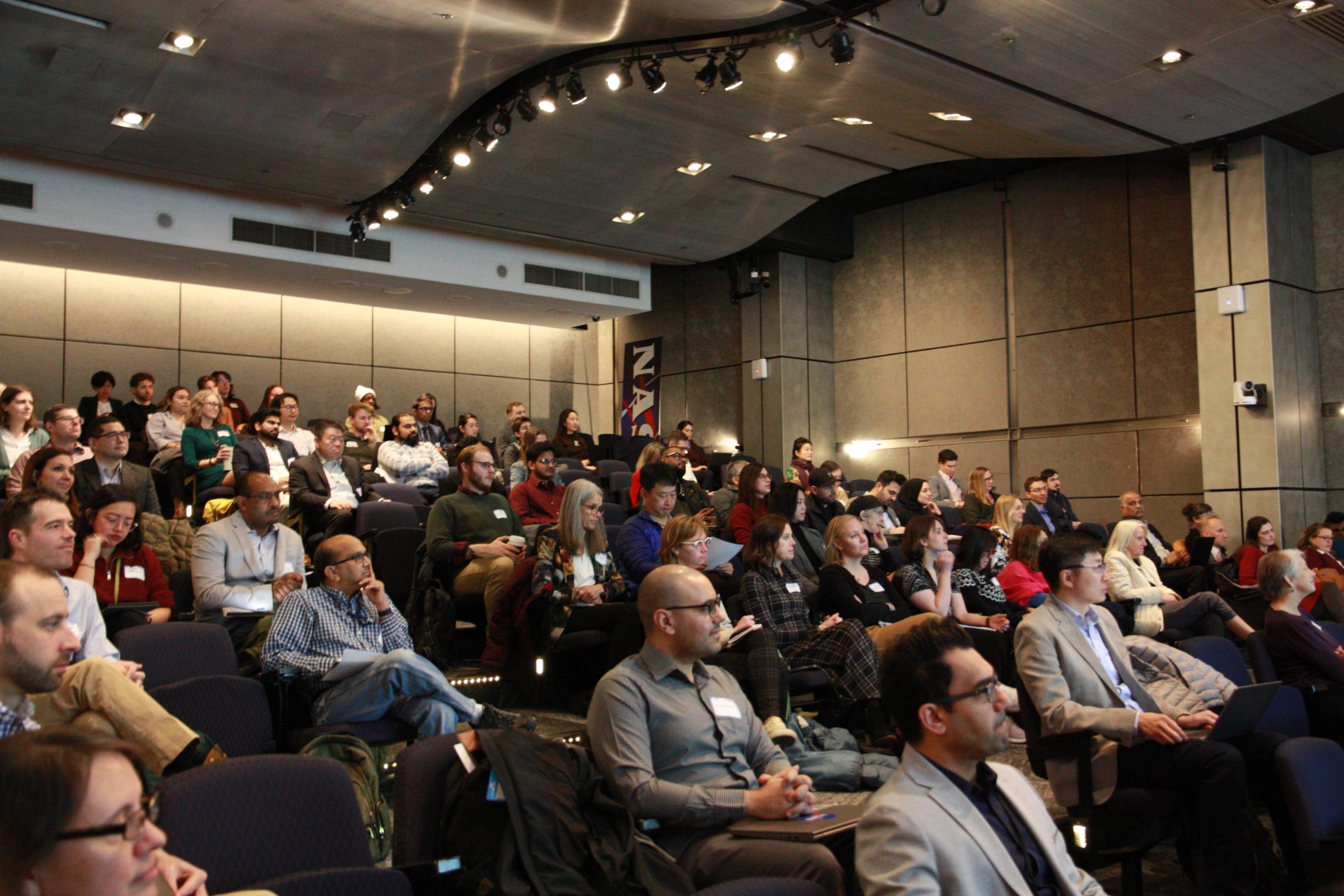
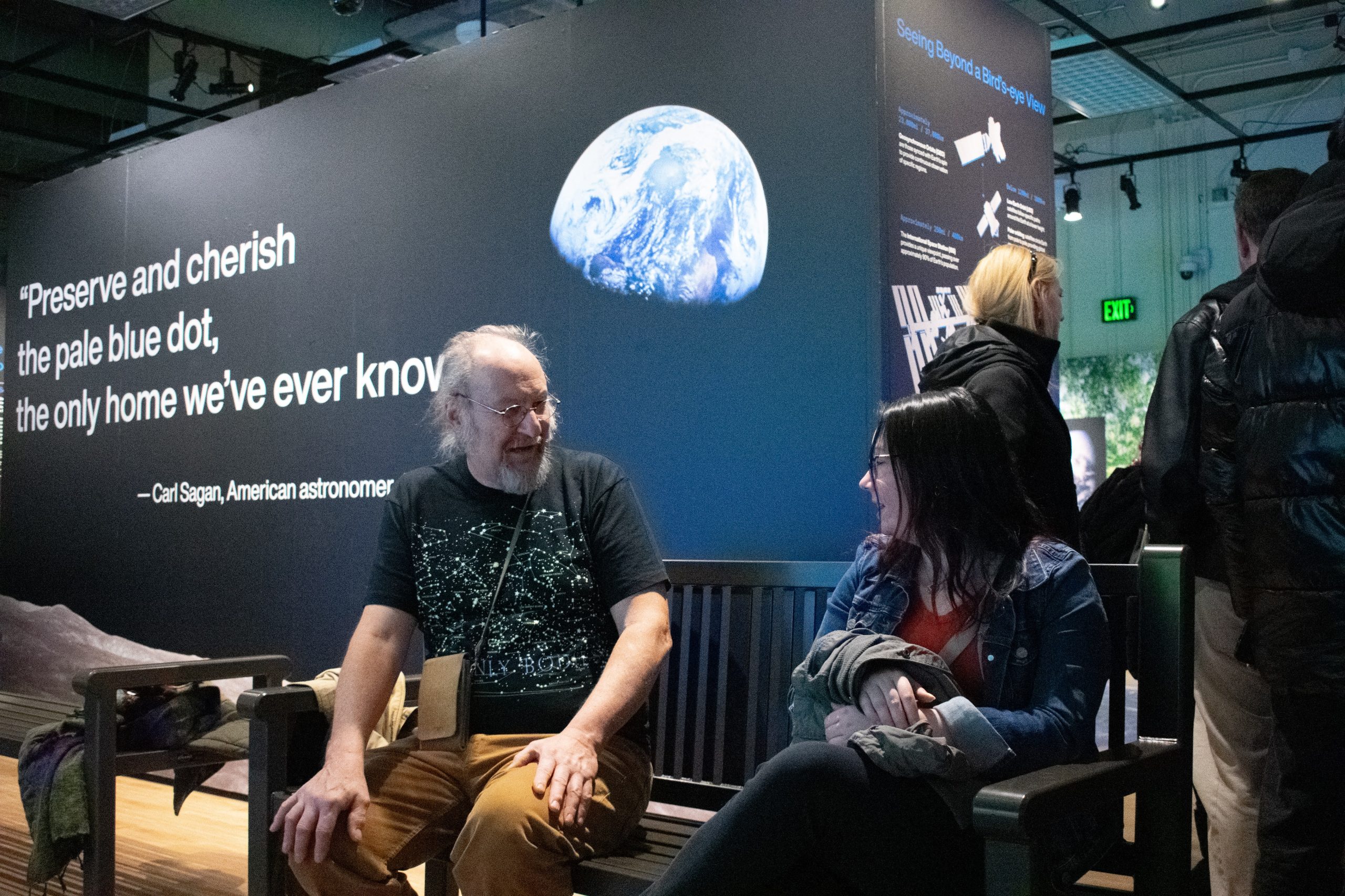
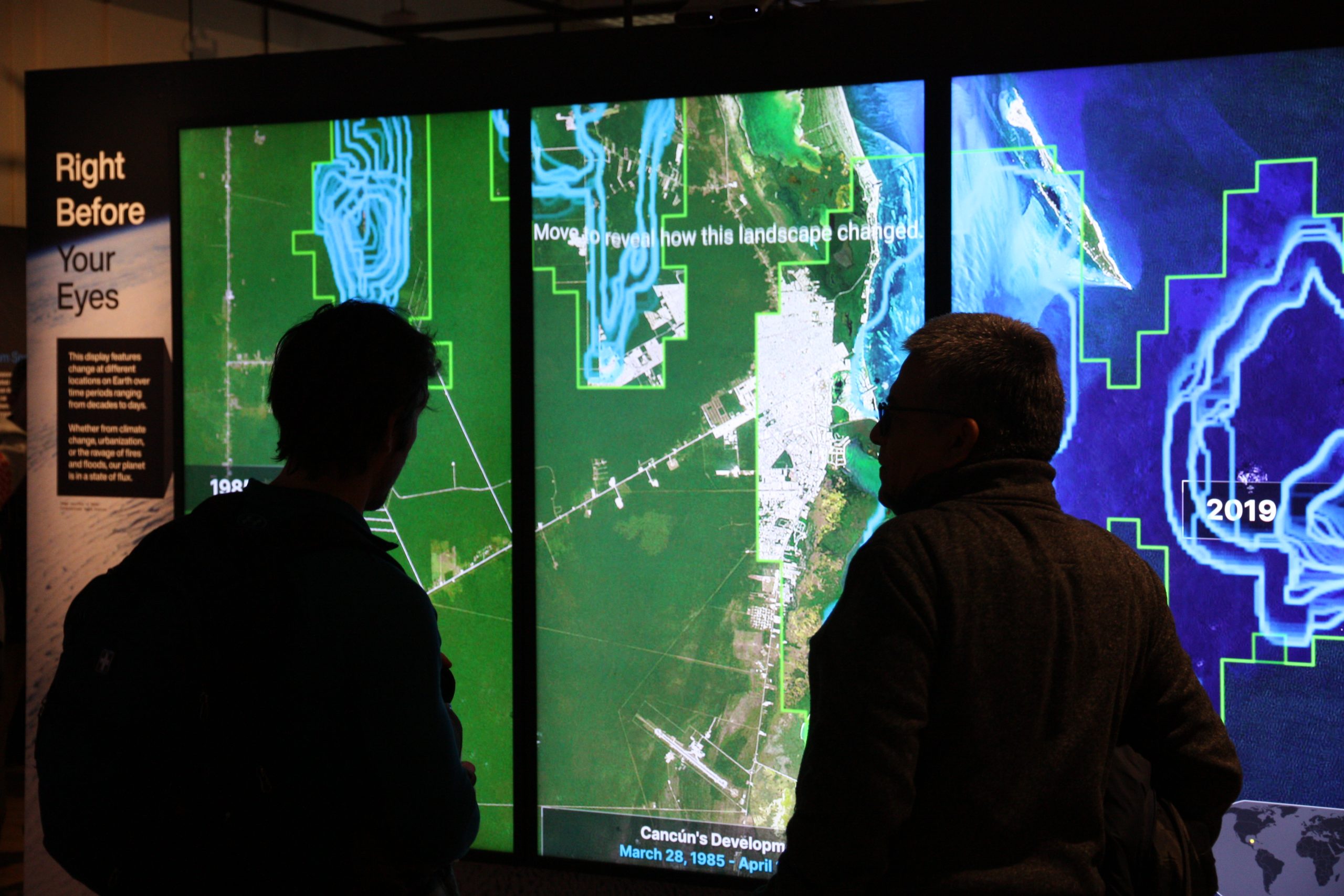
To view the complete collection of photos, click on the button below: