HAQAST Final Showcase
Over the course of the past four years, the Health and Air Quality Applied Sciences Team has worked to connect NASA satellite data and products with public health experts and air quality managers. Our team of 14 PIs and 70+ total collaborating investigators has grown to support and serve hundreds of organizations across the U.S. and around the world. These partnerships have grown through two-way dialogue in which stakeholders share their research needs and priorities, and scientists share their resources, insights, and new discoveries.
In our final HAQAST showcase, we highlight the societal contributions of our team effort—successes that would not have been possible without the collaborative structure of this unique, applied research effort.
Panel Schedule
Links to the presentation recordings are available by clicking “Watch Panel Presentation Video” under the description of each panel listed below. You can also access all panel presentations in this YouTube playlist. Panel discussions took place July 21 and 22. Each day featured four 55-minute panels beginning with a short video and ending with audience Q&A—we will not be sharing the Q&A.
12:00 pm EST
Looking Back, Moving Ahead: HAQAST 2016-2020
Join us for a discussion on team-wide highlights and learn about HAQAST’s future.
Watch Panel Presentation Video
Panelists
- John Haynes, NASA Health and Air Quality Program Manager, NASA HQ
- Tracey Holloway, HAQAST Team Lead, University of Wisconsin–Madison
- Bryan Duncan, HAQAST Member, NASA Goddard Space Flight Center
1:00 pm EST
Tracking Visible Haze From Space: NASA Data for PM2.5 and Public Health
Particulate matter has emerged as one of the world’s most potent public-health issues. In this panel, learn how HAQAST research is being applied to help monitor PM.
Watch Panel Presentation Video
Panelists
- Daven Henze, HAQAST Member, University of Colorado Boulder
- Yang Liu, HAQAST Member, Emory University
- Susan Anenberg, HAQAST Contributor, George Washington University
- Elsa Lefévre, Stakeholder, Climate & Clean Air Coalition, Supporting National Action & Planning on Short-lived climate pollutants (SNAP) Initiative Coordinator.
2:00 pm EST
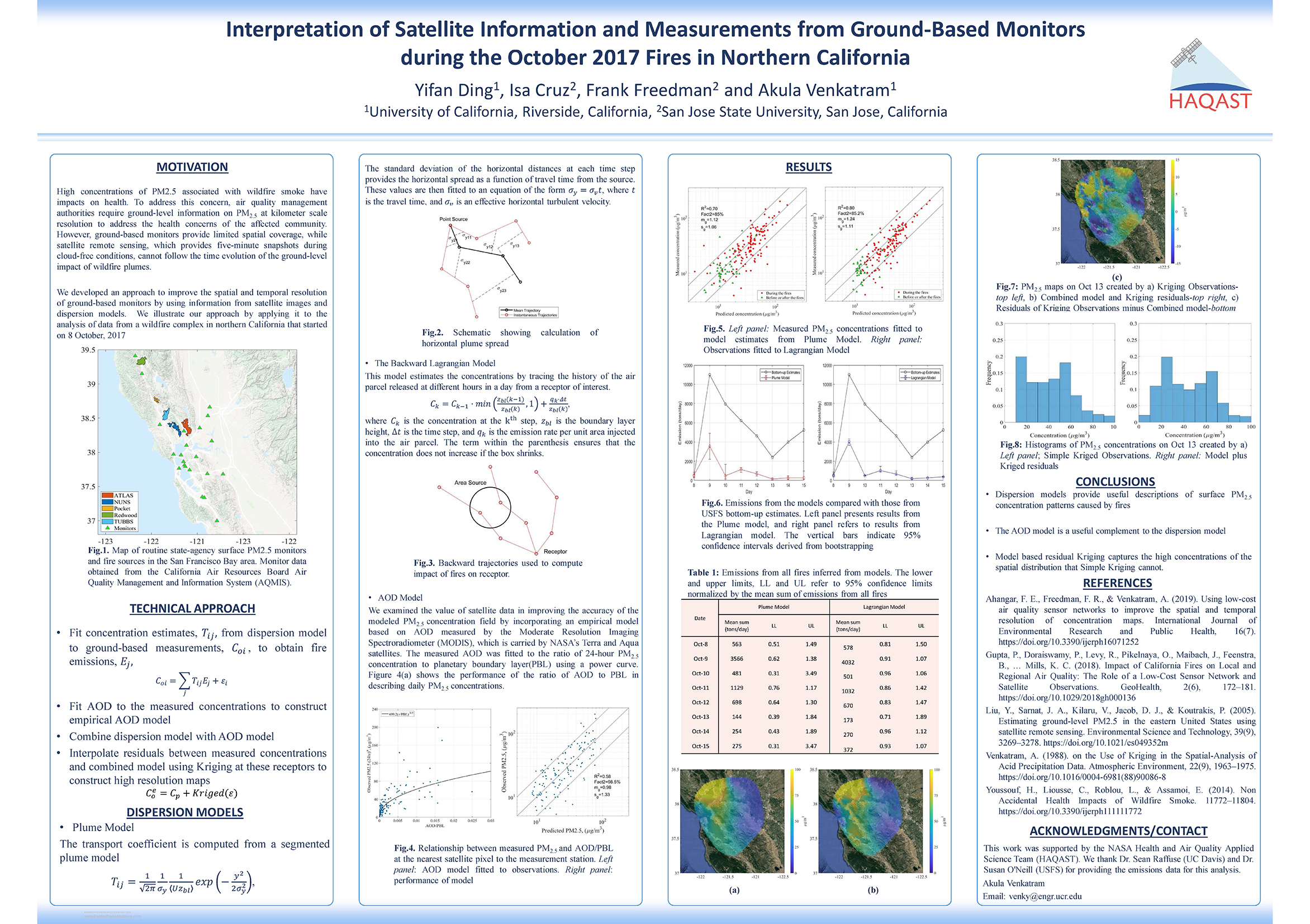
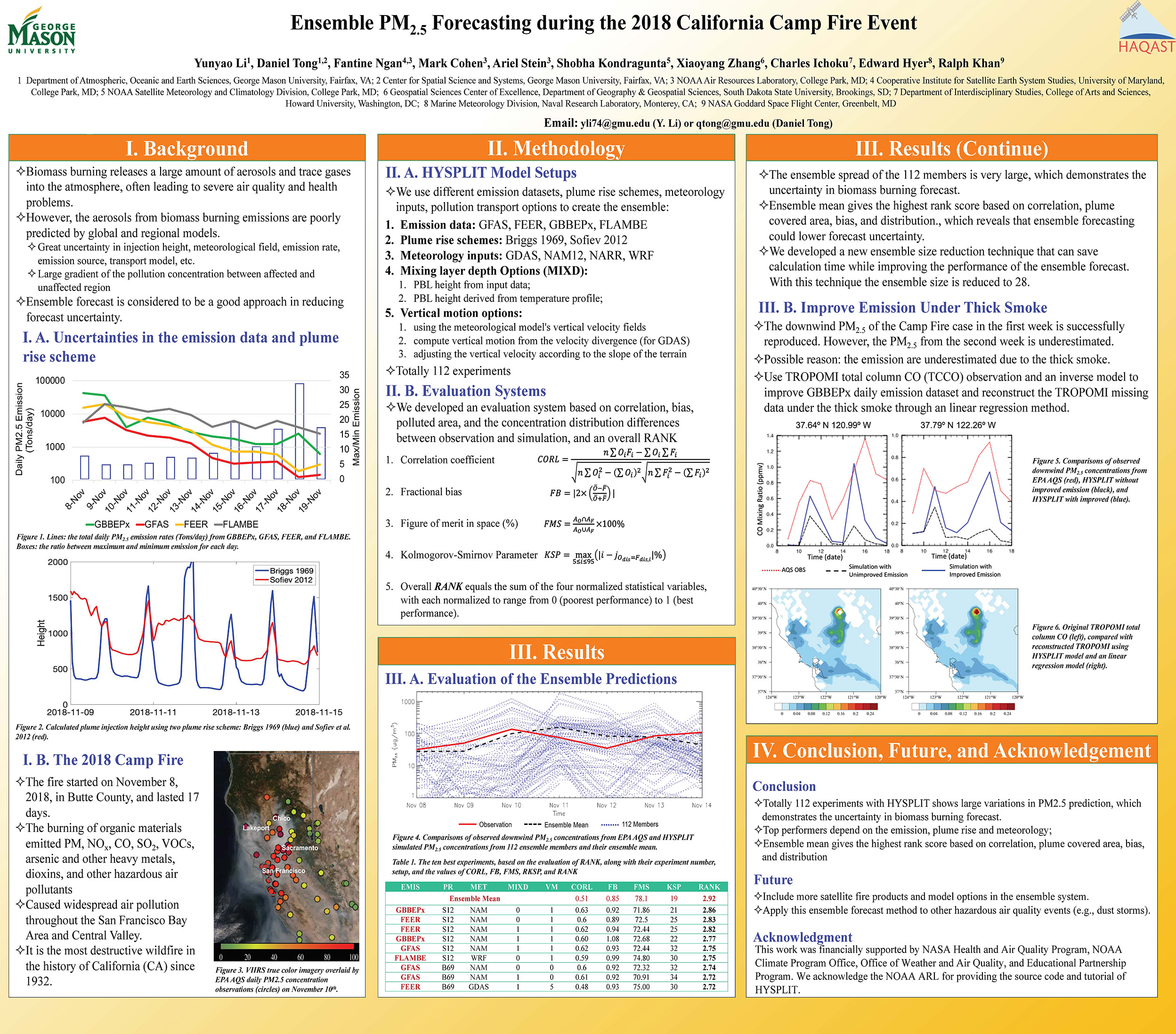
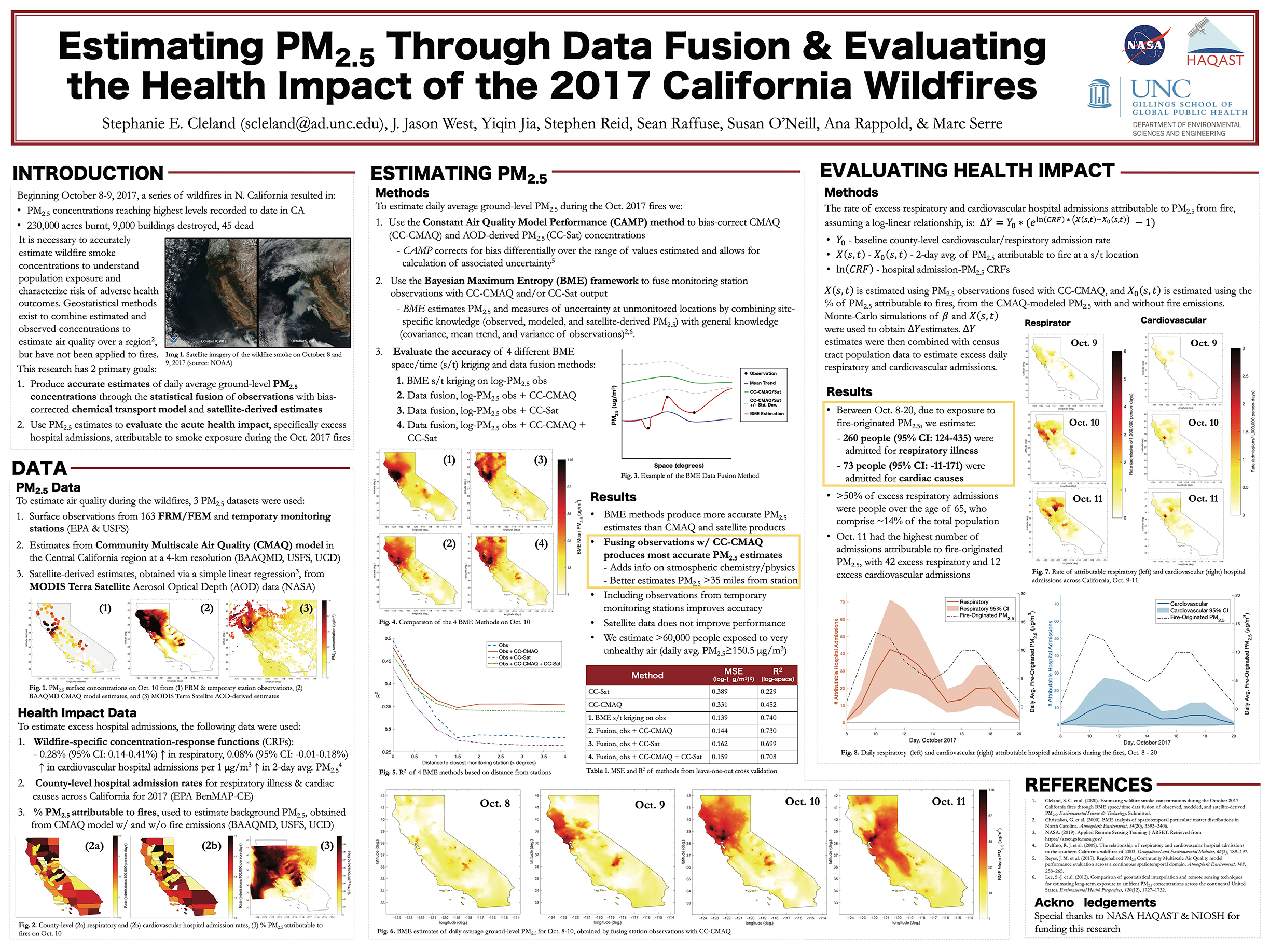
Keeping You Safe: HAQAST’s Cutting-Edge Tools for Smoke and Fire
HAQAST has worked closely and intensively with a wide range of public stakeholders to bring new satellite-informed tools to bear on the fight against smoke and fire. Join us for a discussion of these advances.
Watch Panel Presentation Video
Panelists
- Susan O’Neill, HAQAST Member, USDA Forest Service: PNW Research Station
- Mark Fitch, Stakeholder, National Park Service, National Wildfire Coordinating Group
- Ted Russell, HAQAST Member, Georgia Tech
- Cassandra Johnson Gaither, Stakeholder, US Forest Service
3:00 pm EST
Expanding the NASA Orbit: How HAQAST Has Grown the User Community
HAQAST’s mission is to bring the power of NASA science down to earth and deliver it into the hands of public stakeholders and decision makers. This wide-ranging panel, will examine our many of our outreach efforts.
Watch Panel Presentation Video
Panelists
- Tracey Holloway, HAQAST Team Lead, University of Wisconsin–Madison
- Katherine Walker, Stakeholder, Health Effects Institute
- Bryan Duncan, HAQAST Member, NASA Goddard Space Flight Center
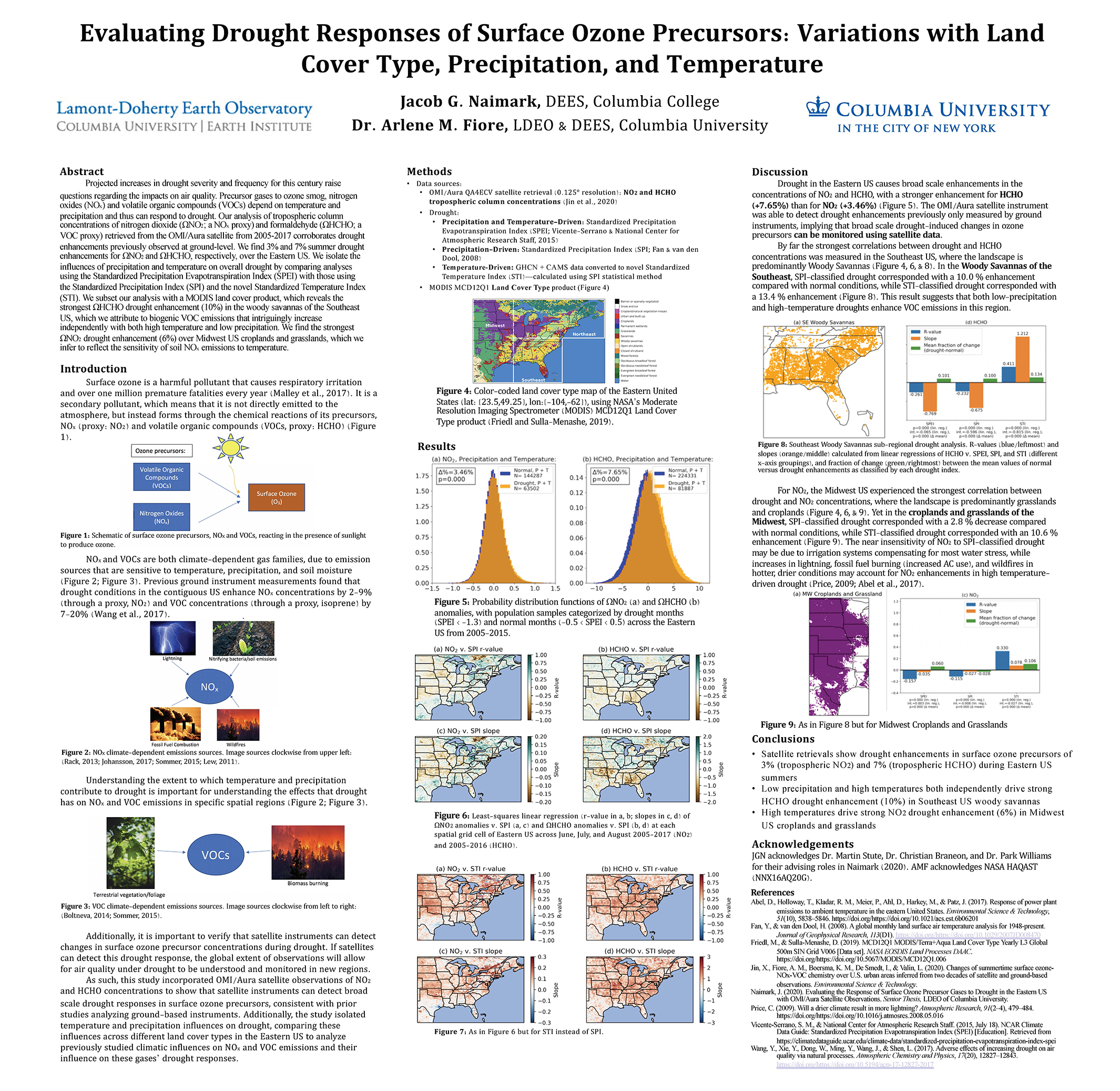
- Arlene Fiore, HAQAST Member, Columbia University
July 22, Wednesday
12:00 pm EST
Eyes in the Sky: NASA Data and Global Health
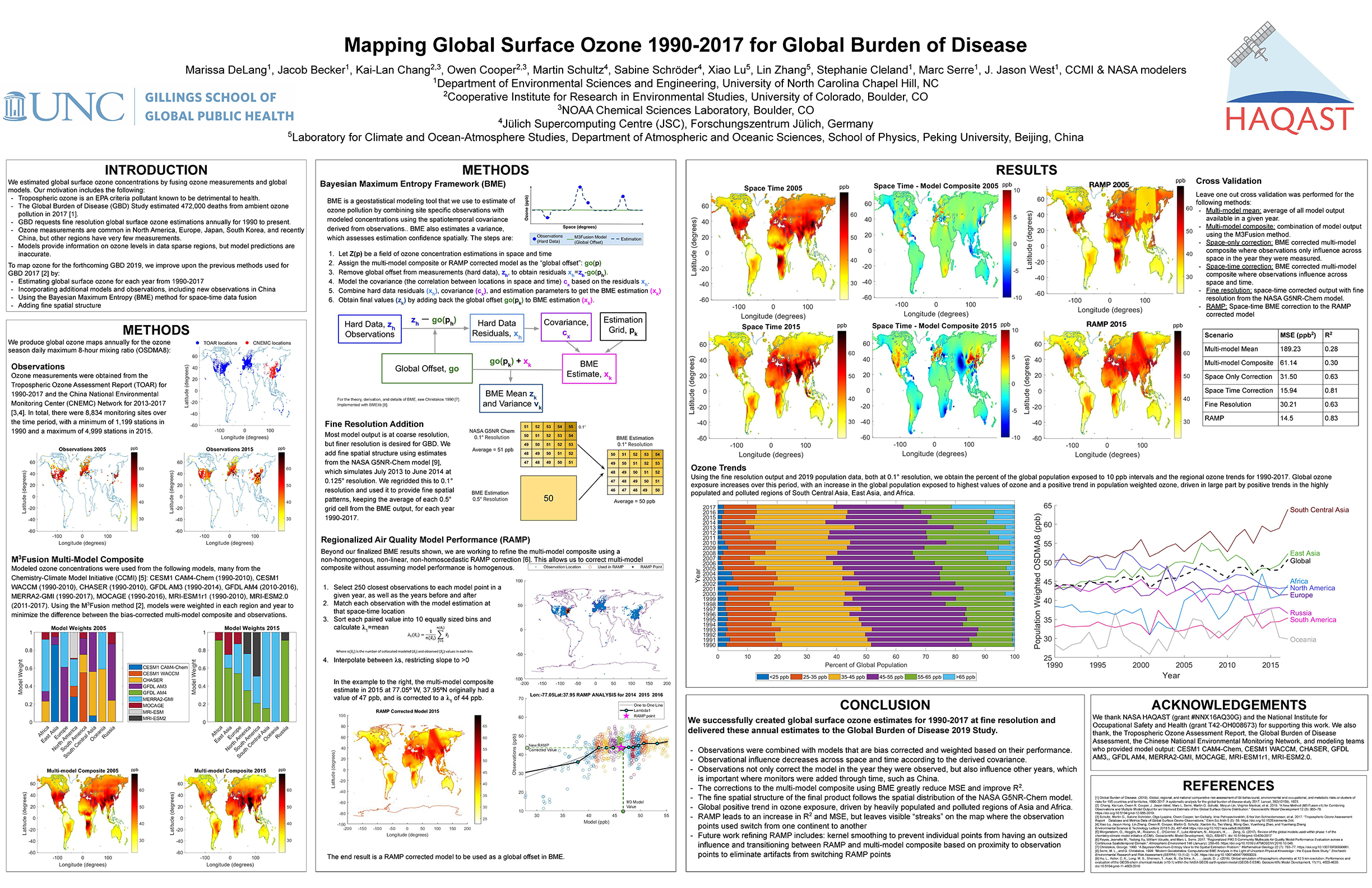
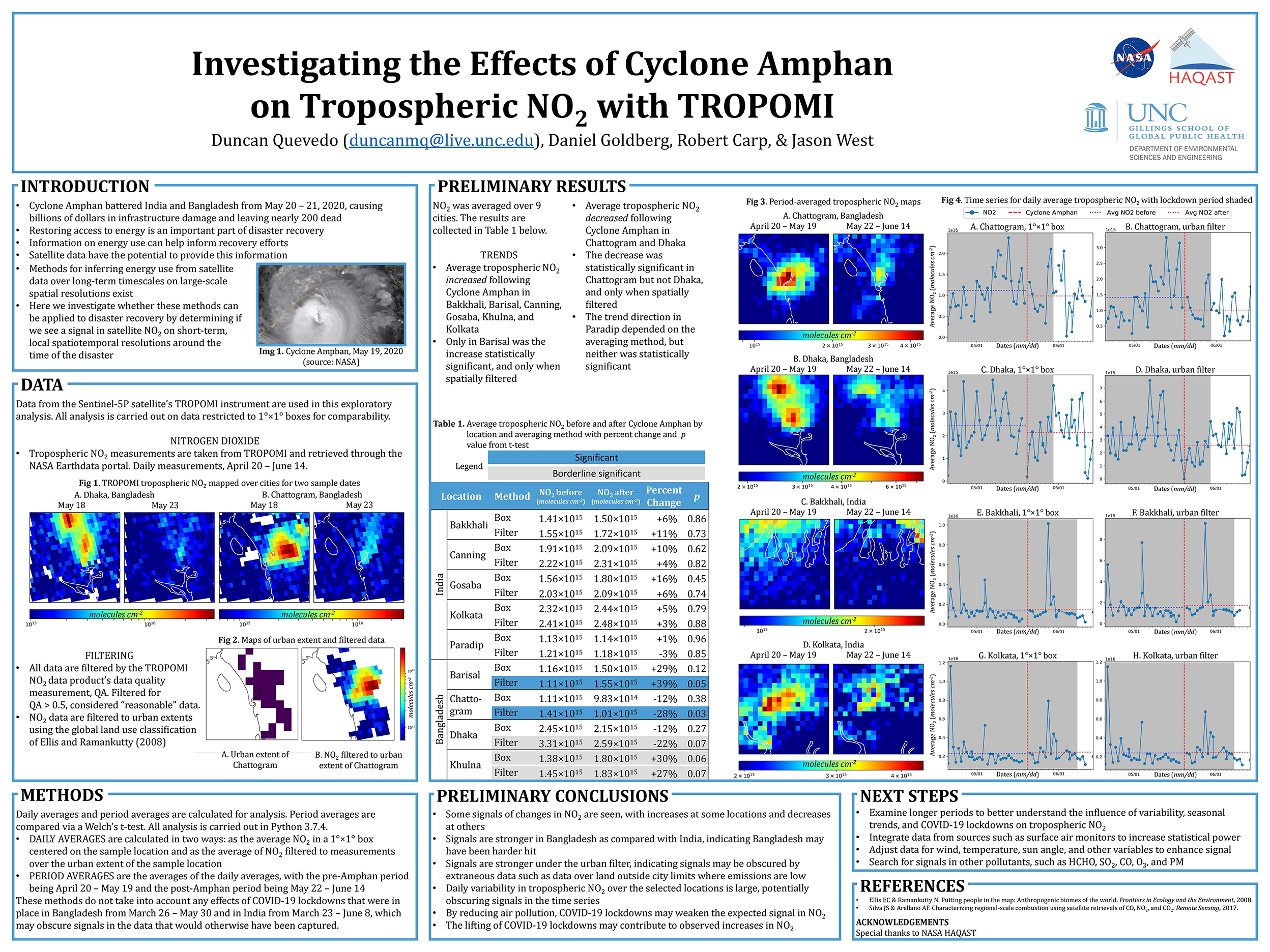
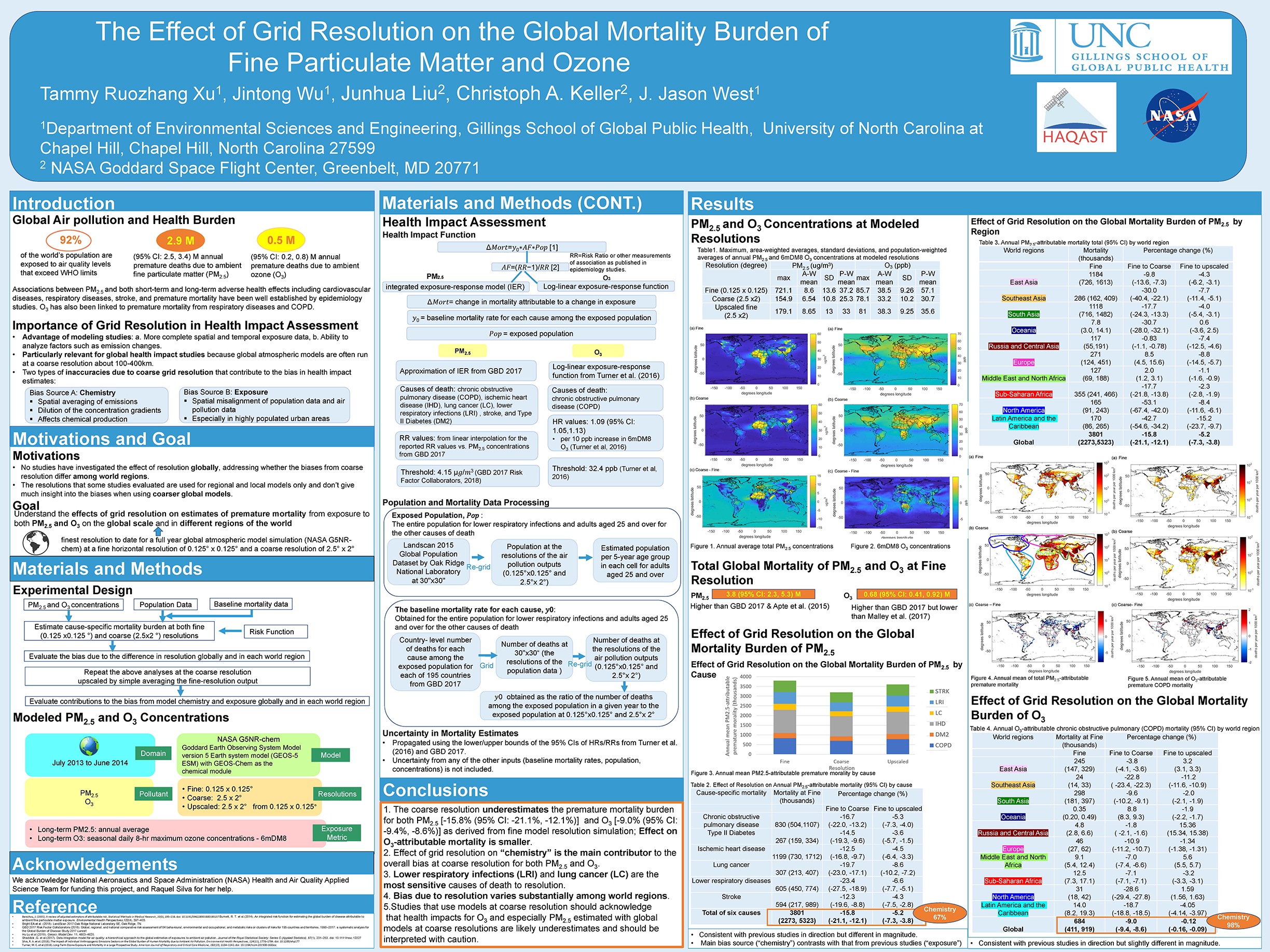
One of the great benefits of NASA satellite data is that many satellites offer global coverage. Come learn about HAQAST’s cutting-edge applied research linking satellite data with global health.
Watch Panel Presentation Video
Panelists
- Jason West, HAQAST Member, University of North Carolina at Chapel Hill
- Jeremy Hess, HAQAST Member, University of Washington
- Daven Henze, HAQAST Member, University of Colorado Boulder
- Michael Brauer, Stakeholder, University of British Columbia, Institute for Health Metrics and Evaluation
1:00 pm EST
What, When, Where?: How HAQAST Has Helped Quantify Uncertain Emissions Sources
Emissions are the backbone of applied air-quality work. This panel will cover how HAQAST research has expanded the ability to quantify emissions such as ammonia, dust, NOx and more.
Watch Panel Presentation Video
Panelists
- Mark Zondlo, HAQAST Member, Princeton University
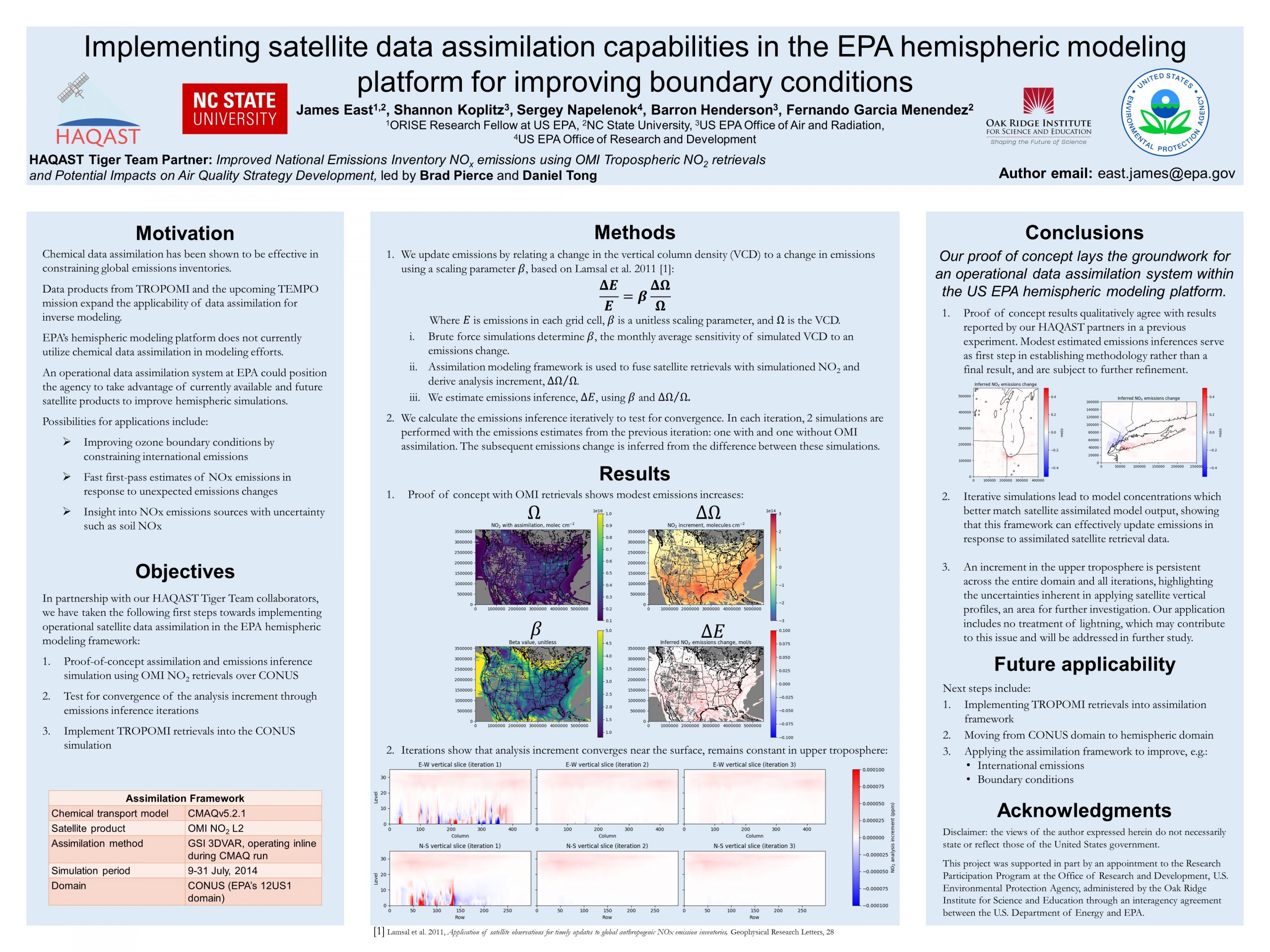
- Daniel Tong, HAQAST Member, George Mason University
- Brad Pierce, Director of the Space Science and Engineering Center, UW–Madison
- Barron Henderson, Stakeholder, Environmental Protection Agency
2:00 pm EST
Zooming In: NASA Data at the Community Level
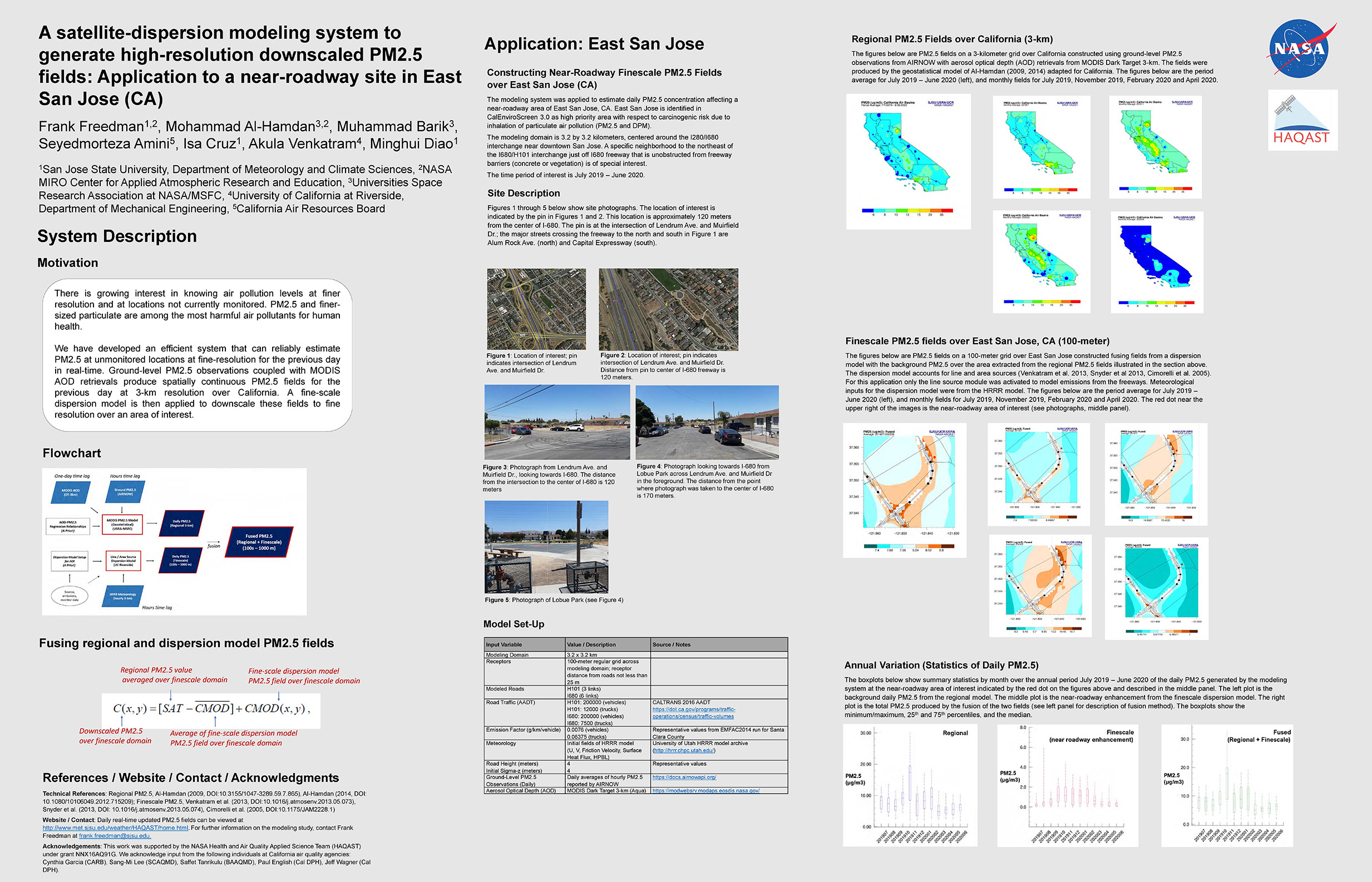
Public-health experts are increasingly asking for satellite data that can “see” fine-grained, community-scale patterns of air pollution. Come learn about how HAQAST has partnered with a variety of stakeholders to fill this need.
Watch Panel Presentation Video
Panelists
- Minghui Diao, HAQAST Member, San José State University
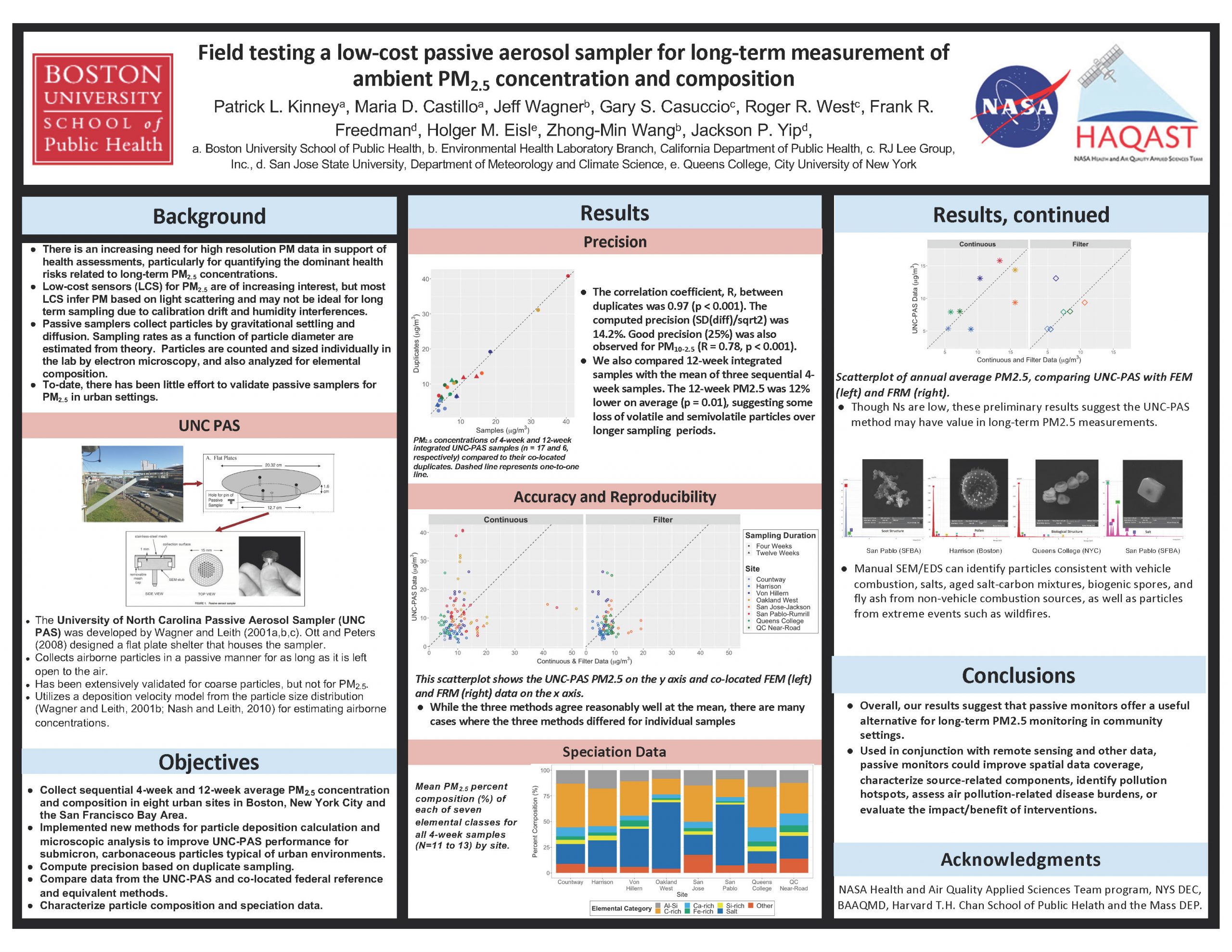
- Pat Kinney, HAQAST Contributor, Boston University
- Jason Vargo, Stakeholder, California Department of Public Health
- Sarah Johnson, Stakeholder, New York City Department of Health and Mental Hygiene, Director of the Air Quality Program
3:00 pm EST
Global Background Ozone and Its Effect on the U.S.
Without knowing the levels of ambient background ozone, it’s hard to know how much O3 local and regional sources contribute. This discussion will detail HAQAST’s applied research into this important and innovative area of air quality.
Watch Panel Presentation Video
Panelists
- Gail Tonnesen, Stakeholder, Environmental Protection Agency
- Jessica Neu, HAQAST Member, NASA Jet Propulsion Lab
- Arlene Fiore, HAQAST Member, Columbia University
- Tom Moore, Stakeholder, Western States Air Resources Council (WESTAR)/Western Regional Air Partnership (WRAP) Air Quality Program Manager
PI Project Videos
- Dr. Minghui Diao
- Dr. Bryan Duncan
- Dr. Arlene Fiore
- Dr. Daven Henze
- Dr. Jeremy Hess
- Dr. Tracey Holloway
- Dr. Yang Liu
- Dr. Jessica Neu
- Dr. Susan O’Neill
- Dr. Ted Russell
- Dr. Daniel Tong
- Dr. Jason West
- Dr. Mark Zondlo
Posters
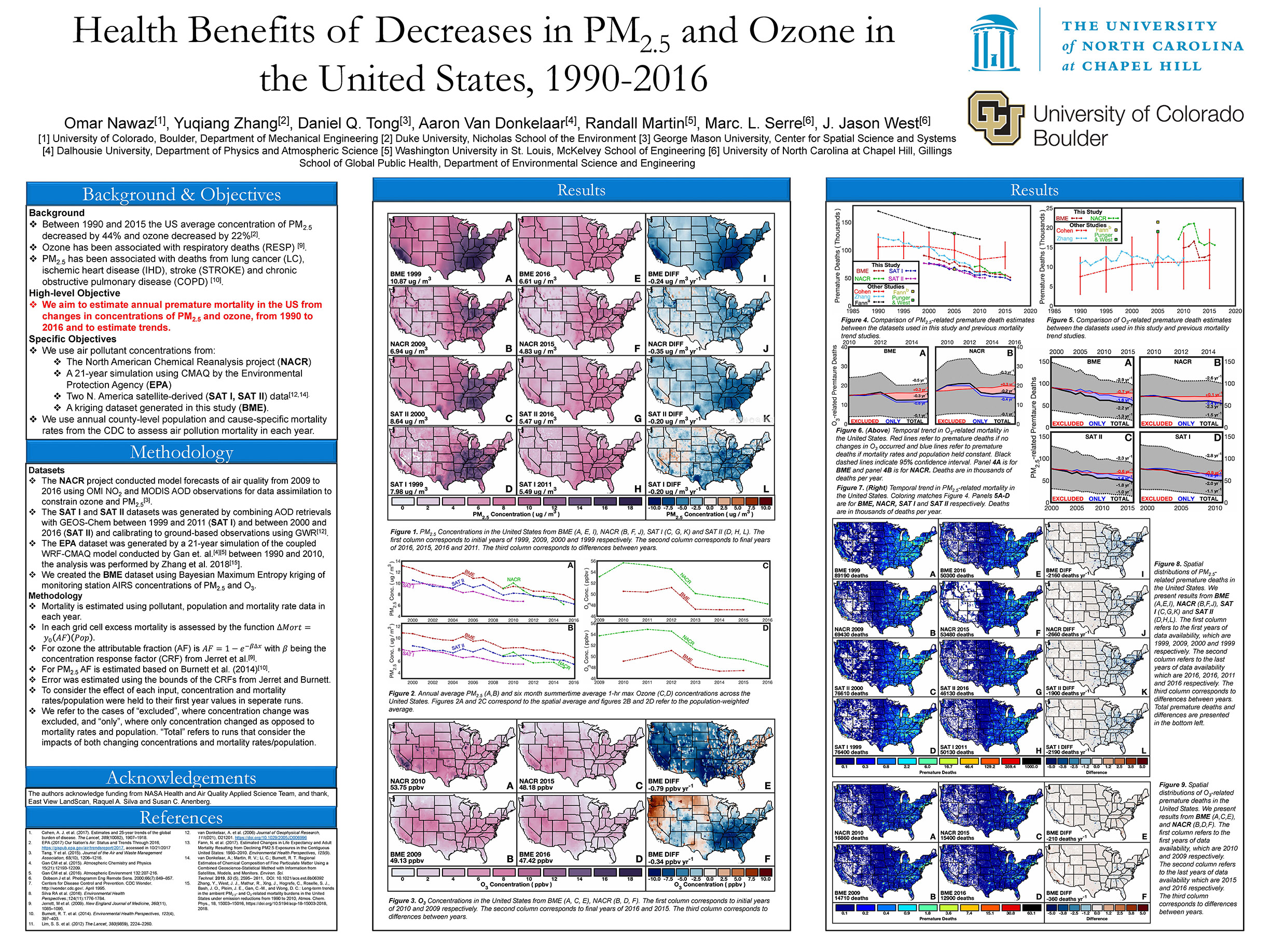
Omar Nawaz Presentation